January 31, 2024
The e-commerce funnel is changing. Purchasing can happen anywhere, at any time, in an instant—a reality reflected by a recent Deloitte survey showing that 71% of US respondents in November made at least one splurge purchase to treat themselves.
Here’s a thought experiment: In the past five years, how much has the landscape of e-commerce changed? With mass remote working, the widespread adoption of TikTok, and the increase in mobile shopping, the answer is a lot. In fact, globally, recreation and entertainment, leisure travel, and restaurants now account for an estimated 20% of the consumer’s wallet, up from 18% a year ago, reflecting evolving spending priorities. So it’s only natural that the e-commerce funnel, once a reliable roadmap for customer journeys, has undergone a considerable (and interesting) shift.
Understanding and adapting to the new “state of the funnel” will allow you to create an interconnected, engaging journey that reflects the modern shopper’s behavior and rewards your bottom line.
What is an e-commerce funnel?
An e-commerce funnel is the process that guides shoppers from discovering your brand to making a purchase and becoming repeat customers. Unlike the old linear model, today’s funnel is dynamic and adapts to how shoppers interact with your brand across channels. Understanding this journey helps you create experiences that move shoppers closer to conversion at every step—especially when you track key metrics at each stage to guide improvements.
Why is the e-commerce funnel important?
A well-defined e-commerce funnel is crucial for growth. It helps you identify where shoppers drop off, so you can make targeted improvements. By optimizing each stage, you increase conversions, improve marketing ROI, and build stronger customer relationships. In fact, an optimized funnel increases conversions and customer value by delivering the right message at the right time.
The e-commerce funnel as we knew it
Picture a straight line that connects point A to point B. Now imagine that every person’s shopping journey follows that exact same shape — a neat, linear path from need to purchase. This is the essence of the traditional e-commerce funnel. It assumes that every shopper’s journey is predictable and follows a clear-cut path from consideration to purchase.
The traditional e-commerce funnel doesn’t account for the unpredictability of modern shopping behaviors. It assumes every shopper follows the same path, but today’s consumers move between stages in unique ways. This boxed-in approach no longer fits how people actually shop.
This funnel operates under the belief that the consumer’s journey is a one-way street, leading straight to the checkout page. What the model fails to consider are the varied and often non-linear paths that consumers take in the digital age. It doesn’t leave room for the spontaneous, exploratory, and serendipitous nature of online shopping—a behavior reflected by the fact that 71% of US consumers recently made a splurge purchase to treat themselves. It overlooks the fact that a consumer might jump stages, turn back a stage, or even convert immediately through in-feed checkout, or one-click purchases, for example.
It’s comforting to believe that consumers will follow exactly the path you lay out. And it usually makes the lives of e-commerce brands easier. But alas, social media and other platforms have transformed how consumers discover, research, and engage with brands.
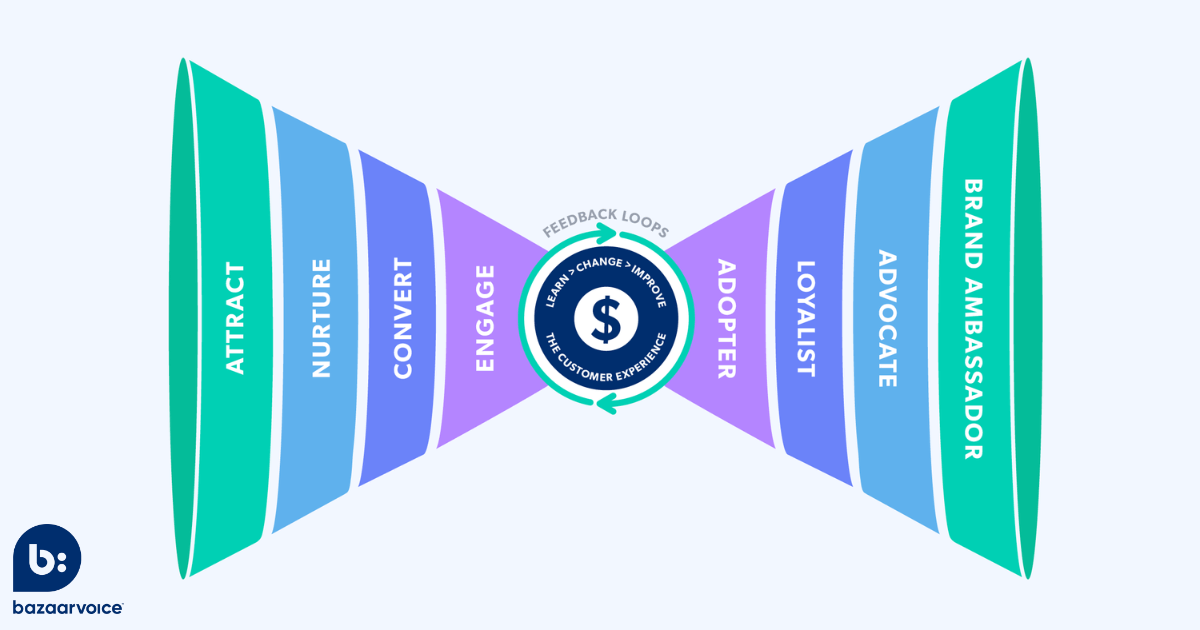
Today’s non-linear shopping journeys mean the traditional e-commerce funnel is out of touch with how people buy online. In many ways, the funnel has collapsed.
The collapse of the e-commerce funnel
The collapse of the traditional funnel is a natural progression. The rise of social commerce, mobile shopping, and new e-commerce platforms has revolutionized the buyer’s journey and changed the funnel forever.
The modern shopper’s journey can start and end at any point, moving quickly across a multitude of channels and touchpoints. Each experience is unique and dynamic. For example:
- Someone might research a product in-store but buy it online.
- Shoppers use mobile apps to compare prices while in a physical store.
- Customers can discover a product on social media and purchase without leaving the app.
In this new era, search engines are the primary gateway to product pages, but other avenues like site searches, mobile apps, and social media searches are rapidly gaining traction. The traditional funnel, with its focus on a linear path that culminates in a purchase, doesn’t encapsulate the complexity and fluidity of these modern behaviors.
The term “funnel” misses that for many, purchase is just the start of a brand relationship. Edelman’s 2023 Trust Barometer found that 79% of consumers engage with brands beyond product use. About 78% find new reasons to stay loyal to a brand after they buy, showing the journey continues post-purchase.
In short, today’s buying behaviors are too dynamic for a linear mindset. For those who have been paying attention, the collapse of the e-commerce funnel isn’t a surprise — it’s an inevitability.
Social media, a new full-funnel experience
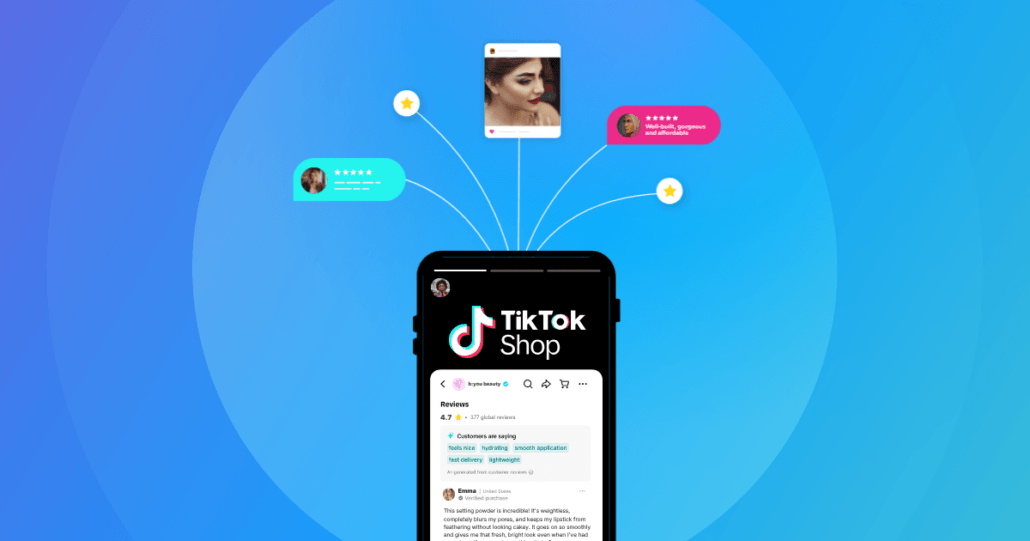
One of the main drivers of the traditional funnel collapse is social media. Channels like Instagram and TikTok have emerged as new search engines and storefronts, and almost single-handedly reshaped the e-commerce experience.
According to our 2023 Shopper Experience Index, over half of shoppers (58%) often stumble upon new products or services through social media, surpassing traditional channels in discovery. This shift isn’t just about accidental discovery — 50% of consumers actively research products on social platforms, and 42% acknowledge the significant impact of social media on their purchasing decisions.
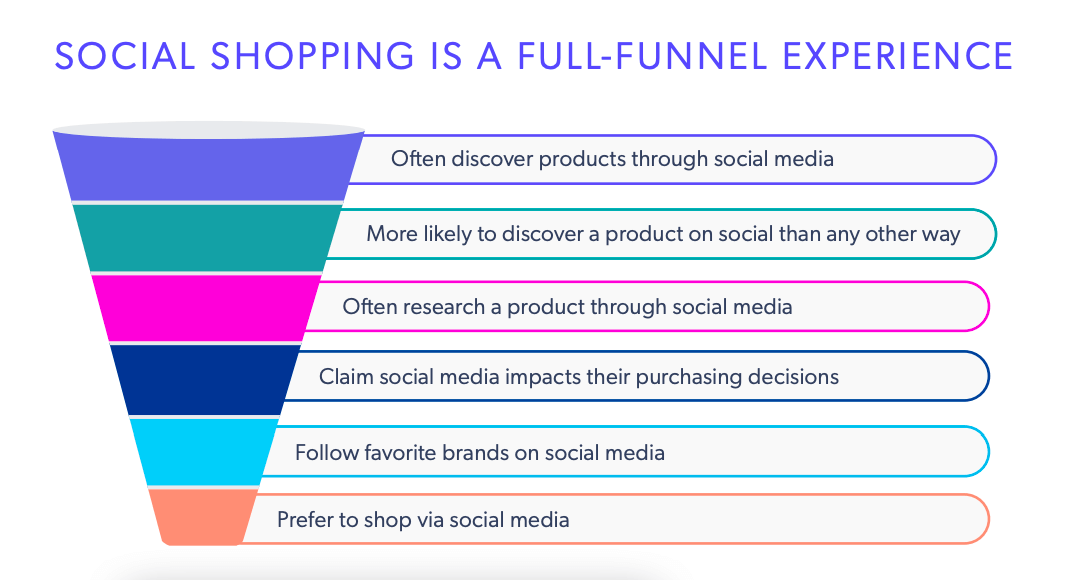
Social media’s influence extends beyond the initial stages of the funnel. It also plays a role in promoting brand loyalty, with 46% of shoppers regularly following their favorite brands on these platforms. This engagement translates into tangible transactions — nearly a quarter (23%) of consumers have made between one and five purchases directly through social media platforms in the past year.
Unsurprisingly, the impact of social media on the e-commerce journey is very pronounced among younger demographics. 70% of people aged 18 to 24 are more likely to discover products through social media than any other means.
Social media is now essential to the e-commerce funnel, not just an add-on. It brings together discovery, research, purchase, and loyalty in one seamless experience. As shopping habits evolve, social media’s influence on the funnel will only increase.
Breaking down silos with the correct content mix
Typically, teams that run top-of-the-funnel (awareness) and bottom-of-the-funnel (conversion) activities are different and tend to work in silos. But in the face of a collapsed funnel, brands can streamline costs and enhance the shopping experience with content that breaks down these barriers and integrates into each phase, from the awareness stage to consideration, conversion, and post-purchase loyalty.
A balanced mix of branded, creator, and user-generated content is essential for every stage of the funnel. 67% of brands and retailers plan to increase their UGC investment to meet rising consumer demand.
User-generated content (UGC) presents an economic means of driving high quality, high converting content for any phase of the buying journey. UGC is content produced by your customers (a.k.a. real people who use your products) and can take many forms, from written reviews to video testimonials, photos, and more.
There’s a real hunger for this type of content on the consumer side, as it makes customers more confident in their buying decisions — our Shopper Experience Index revealed that 55% of shoppers are unlikely to buy a product without UGC, and 62% are more likely to buy a product if they can view customer photos and videos.
UGC fits every stage of the e-commerce funnel and every channel shoppers use, including Instagram ads, TikTok, and product pages—a trend that has led 67% of brands and retailers to increase their UGC investment to meet rising consumer demand.
- Instagram ads
- Organic TikTok posts
- Homepage galleries
- Product pages
The stages of the modern e-commerce funnel
While the modern shopper’s journey is no longer linear, it can still be understood through four key stages. By using the right content and strategies at each stage, you can meet customers where they are and effectively guide them toward purchase and beyond. Here’s how to leverage user-generated content (UGC) to win at every stage.
Discovery: Building brand awareness
In the discovery phase, where the primary goal is to get eyes on your brand, UGC helps you spin a unique narrative that draws potential customers into your world. Thanks to its authentic nature, UGC gets through to audiences in a way that traditional content marketing can’t.
It provides a glimpse into the real-life experiences of existing customers, making your brand more approachable and trustworthy. These are the top ways you can leverage UGC at this point in the e-commerce game:
- Social media showcases: Social media platforms are a fantastic source of high-quality visual UGC and one of the primary points of distribution for it. Pepper in discovery-focused UGC like customer photos, videos, and stories in your feeds that provide an overview of your products, highlight benefits, or introduce the ethos of your brand to newcomers. For example, a sports apparel brand might create a hashtag campaign encouraging customers to post their outfit photos and caption them with one healthy habit they try to adopt every day. That’s a ton of rich UGC the brand can then reshare to its own accounts.

Incorporate UGC in digital ads: 40% of shoppers say UGC makes them more likely to buy a product from an ad, so use that to your advantage. Incorporate UGC in digital advertising campaigns, whether it’sGoogle Shopping, TikTok, Facebook, or Instagram ads, to add a layer of authenticity and relatability to your marketing.
Interactive UGC galleries: Create interactive UGC galleries and display them on your homepage and landing pages, where website visitors can see how others are using the products. If you’re a home decor brand, you can have a gallery where customers upload pictures of their home interiors featuring your products, offering inspiration and real-life use cases to brand-new visitors.

- Feature customer stories on your e-commerce site: Our 2022 Shopper Experience Index revealed that 74% of shoppers want to see consumer content on brands’ websites. Galleries are one way to do this, but you can go the extra mile and create a dedicated section on the website for customer stories or testimonials. This can be a powerful way to introduce new visitors to your brand through the lens of existing customers. For instance, a travel gear brand could feature stories from customers who have taken their products on adventures, complete with photos and quotes, on a special “Our Community” webpage.
- Include UGC in welcome emails: Incorporate UGC in your emails to introduce new subscribers to the brand community. An example scenario of this strategy could be a fitness brand including customer success stories and workout photos in their welcome email, showcasing the impact of their products and programs.
Consideration: Engaging potential customers
UGC can further engage people who just found out about your brand. While some customers might skip this phase, others take time to evaluate their options, compare products, and decide if what you offer meets their needs and addresses their pain points.
- Showcasing real-life product use: Use UGC to show how real customers are using and benefiting from your products. This approach addresses any concerns or questions potential customers might have. For instance, a skincare brand can share before-and-after photos and testimonials from customers who have seen real results, providing tangible proof of product effectiveness.
- Hosting Q&A sessions with existing customers: Facilitate Q&A sessions or discussions between potential and existing customers. You can do this through social media platforms or on your product pages.
- Incorporating UGC in product demos: Blend UGC with professional product demonstrations. This combination gives potential new customers a well-rounded view of the product in action — like a fitness equipment brand creating video content that combines professional demonstrations with clips of real people using the equipment at home.
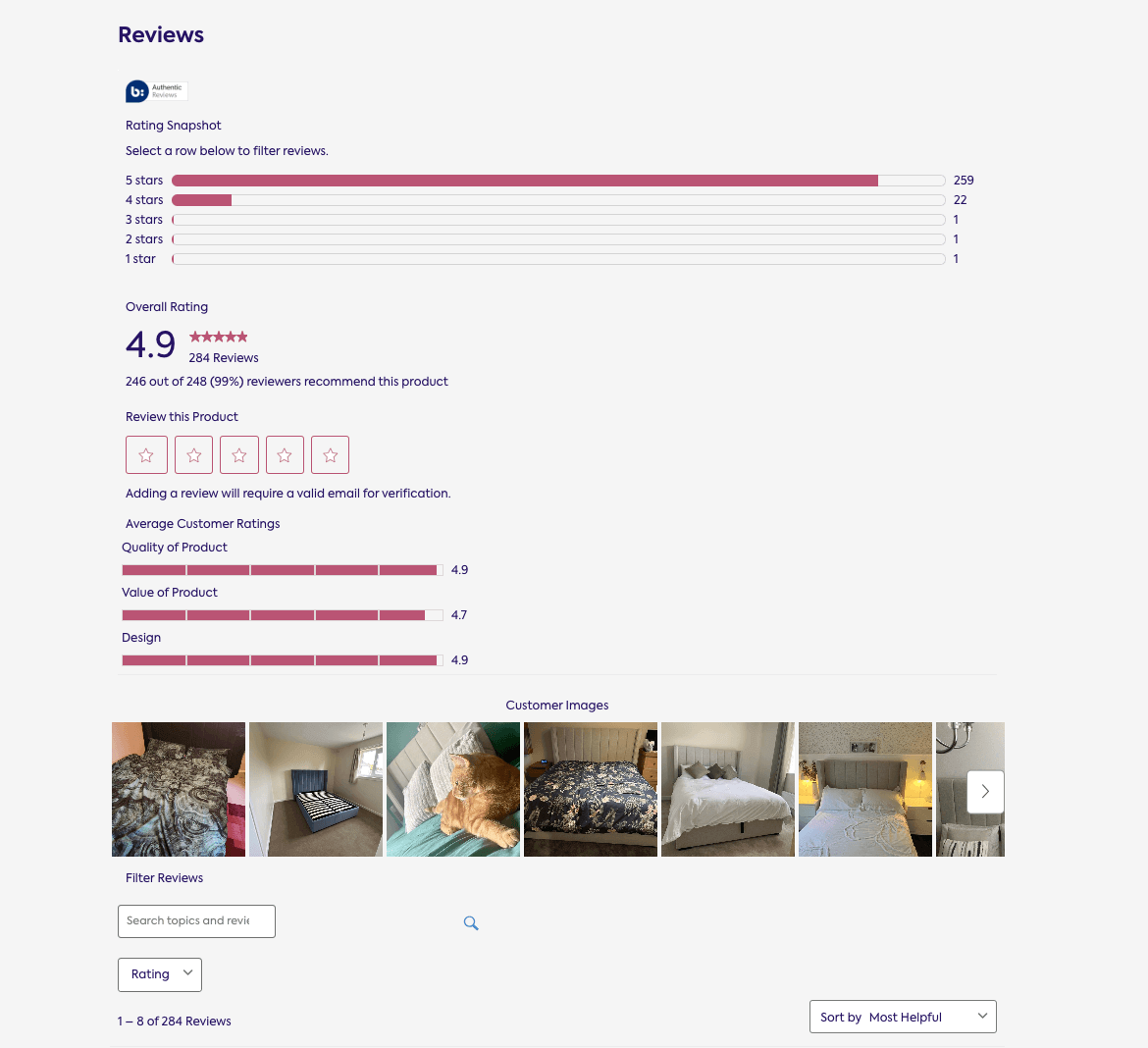
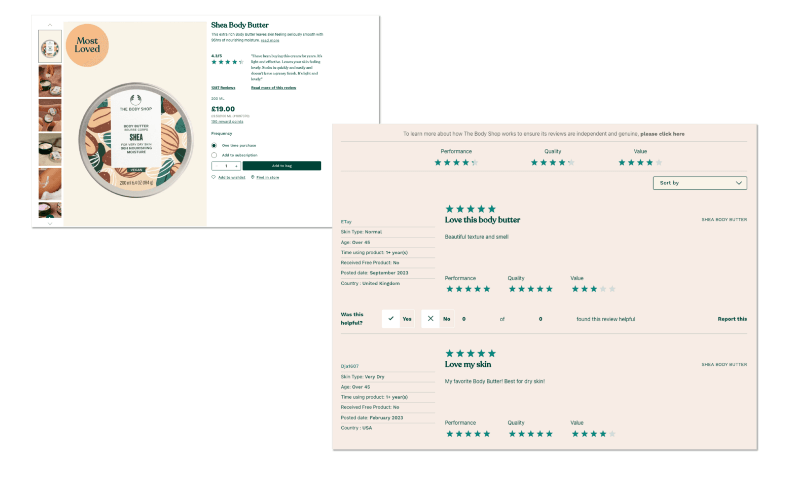
- Highlighting customer reviews and ratings: 88% of shoppers consult ratings and reviews before making a purchase. Make good use of every review you have at your disposal by displaying them prominently on your website, making you a real contender in the minds of potential customers who are weighing their options.
Writing UGC-driven blog posts: Supercharge your SEO blog content with UGC. This includes customer success stories, tips, and how-to guides based on real user experiences. For example, an outdoor gear brand could publish a blog series featuring stories from customers about their adventures using the brand’s gear, providing both inspiration and practical insights.
Including UGC in email marketing: Add UGC to your email marketing campaigns and newsletters. This strategy can help personalize the user experience, make the content more relatable, and keep your brand top of mind during the consideration stage (like a gourmet food brand sending emails featuring customer-created recipes using their products, along with reviews and photos from these home chefs.)
Conversion: Encouraging purchase decisions
At the conversion stage, the focus shifts to turning consideration into action. This is where user-generated content becomes your ally in making potential customers become paying customers.
- Product page optimization: Incorporate customer photos or videos directly on product pages to provide potential buyers with a real-life view of the product in use. If you’re an apparel brand, you might include a gallery of customer photos on each product page of your online store, showing how different people style their clothing.
- Include UGC in abandoned cart emails: Use UGC in cart abandonment emails to remind customers of what they’re missing. Personal stories or images can reignite the interest that leads them to add items to their shopping cart (such as a home decor brand sending emails featuring photos of beautifully decorated rooms by customers using the items left in the cart, adding a personal touch to the reminder.)
- Add customer testimonials to the checkout process: Display customer testimonials or reviews during the checkout process to reinforce the buyer’s decision and reduce cart abandonment rates.
Loyalty: Driving repeat business
You’re building trust with your customers — good job! But this is only the beginning of what can be a very beneficial symbiotic relationship. Now the goal is customer retention, turning a one-time buyer into a repeat customer, a brand advocate who not only comes back for more but also sings your praises to the world.
- Create a community around UGC: Build an online community where customers can share their experiences, tips, and ideas related to your products. If you’re a home decor brand, you can create an online forum or a social media group where customers share home styling photos and tips using your products.
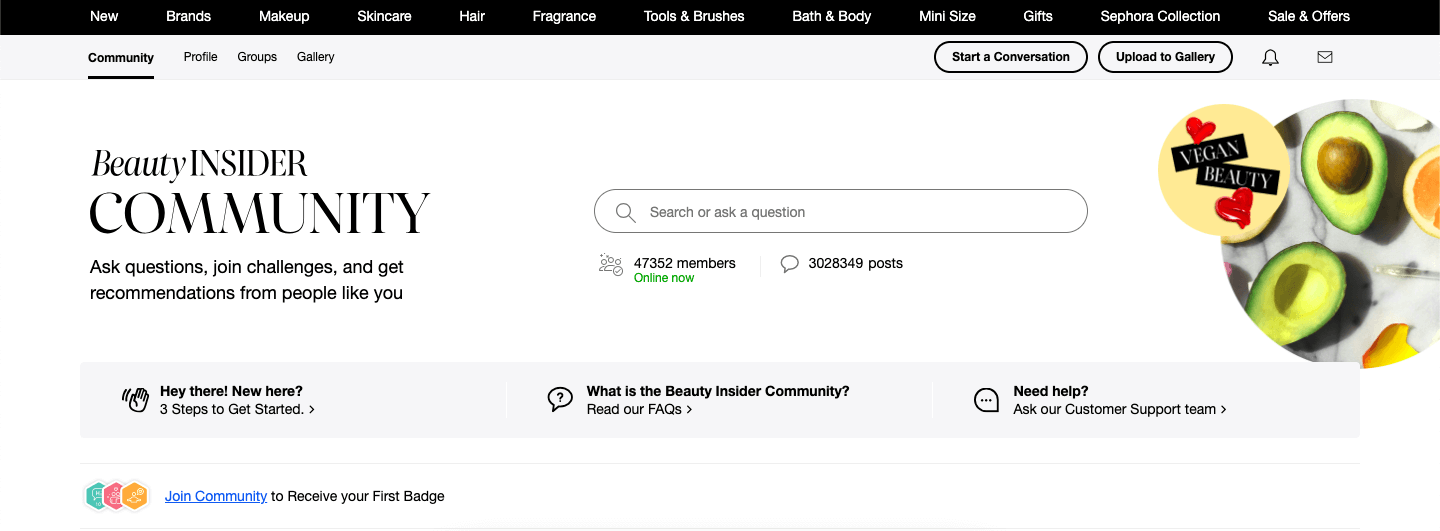
- Reward UGC contributions: Implement a rewards system for customers who create UGC and incentivize them to keep feeding your marketing channels. This could be in the form of discounts, a loyalty program, or early access to new products.
- Leverage UGC for product development: Use UGC as a source of customer feedback for product development. Engage with loyal customers to understand their needs and preferences for future products and ensure they never leave your side.
Optimizing your e-commerce funnel: Testing, analytics, and continuous improvement
Optimizing your funnel is an ongoing process, not a one-time task. Be sure to track conversion rate, average order value, and repeat purchase rate at each stage to continuously improve performance. It’s about continuously learning and improving. Start by using analytics to track key metrics like conversion rates per stage, cart abandonment, and customer lifetime value. This data will reveal your biggest opportunities. From there, use A/B testing to experiment with different strategies. Test your ad creative, landing page headlines, product page layouts, and the placement of customer reviews to see what resonates most with your audience and drives results.
How Iconic London adapted to the collapse of the e-commerce funnel
Iconic London, a digital-first beauty brand, is a masterclass in adapting to the new e-commerce landscape. Recognizing the shift in consumer shopping habits and the importance of a seamless digital experience, Iconic London partnered with Bazaarvoice to tap into user-generated content and bridge the gap between social media engagement and e-commerce growth.
The brand’s strategy was simple: Integrate UGC across digital channels to foster relationships with customers and drive conversions. Iconic London launched Like2Buy on Instagram and implemented Bazaarvoice Galleries on their product pages and homepage, creating a continuous shopping experience that resonated with their social media-savvy audience.
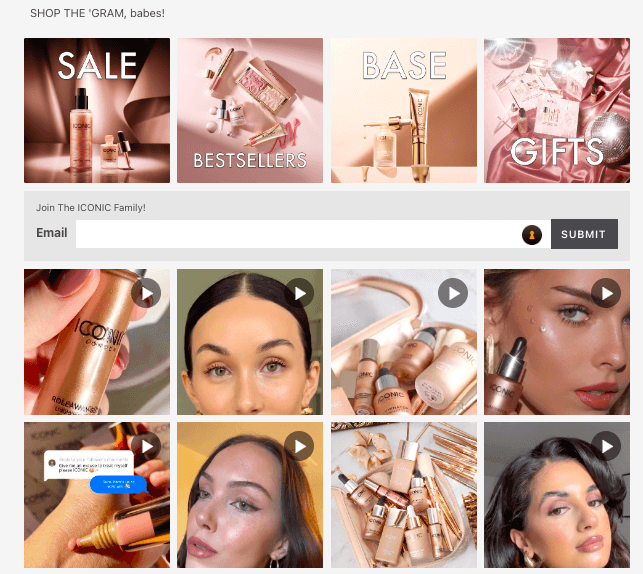
By sharing UGC on their e-commerce store, Iconic London strengthened the trust and connection with their customers. The product page galleries, featuring customer tags and content, not only celebrated their community but also provided an authentic representation of their products in use.
Iconic London’s adoption of Like2Buy on Instagram linked their social content to product pages. This strategy helped the brand win on two fronts. First, it compensated for revenue decline due to changes in the digital landscape. Second, it reinforced the brand’s commitment to a social-first approach, catering to customers who prefer shopping on social.
We know that our customers like shopping in a social environment. It’s the way the industry is going, but especially Iconic. So having Like2Buy allows us to maintain that social shopping experience a bit longer. It allows it to overflow into the website, onto the product page, and the homepage.
Lizzie Newell, Head of Marketing, Social, and Campaigns at Iconic London
Over 12 months, Iconic London saw a 126% lift in conversion rates and an 11% increase in average order value. While the metrics alone were a victory, their approach also highlights the importance of authenticity, continuity, and customer engagement in driving e-commerce success today.
Embrace the new reality of e-commerce
To thrive in this new era, you have to adapt and embrace strategies that resonate with current consumer behaviors. Mastering the changing e-commerce funnel means balancing your marketing context mix with a healthy balance of brand and user-generated content.
And more importantly, getting that content in front of shoppers everywhere they are. Not just your PDPs but on social channels, paid media, video content, email campaigns, and in-store.
Learn more about how consumers are driving this shifting funnel and how brands and retailers are adapting in our Shopper Experience Index — a report of 7,000 global consumers and 465 brands and retailers that highlights the concerns of shoppers in the face of market shifts.
Ready to turn your funnel into a conversion engine? An optimized funnel can increase conversions and deliver greater customer value by connecting with shoppers at every step. Bazaarvoice provides the tools you need to collect and display authentic user-generated content at every stage of the journey, building trust and driving sales. Contact us to learn how we can help you achieve your business goals.
Frequently asked questions about the e-commerce funnel
How do you build an e-commerce funnel?
To build an e-commerce funnel, map how customers discover, consider, and buy from your brand, then return for more. Focus on awareness, consideration, conversion, and loyalty, using content like reviews and photos to guide shoppers at each step.
Do sales funnels really work?
Yes, sales funnels work by guiding customers step by step toward a purchase. An optimized funnel increases conversions and customer value by delivering the right message at the right time.
What is the 3 funnel strategy?
A three-funnel strategy breaks the journey into top, middle, and bottom stages: awareness, consideration, and conversion. Each stage uses targeted content to move shoppers closer to purchase.
How do you measure the success of your e-commerce funnel?
Track key metrics like conversion rate, average order value, and repeat purchase rate at each stage. These numbers show where your funnel is strong and where it needs improvement.
How can you adapt your funnel for omnichannel or hybrid journeys?
Make sure your funnel delivers a seamless experience across online and offline touchpoints. Use consistent messaging and content, like reviews and Q&A, everywhere your customers shop.