July 16, 2026
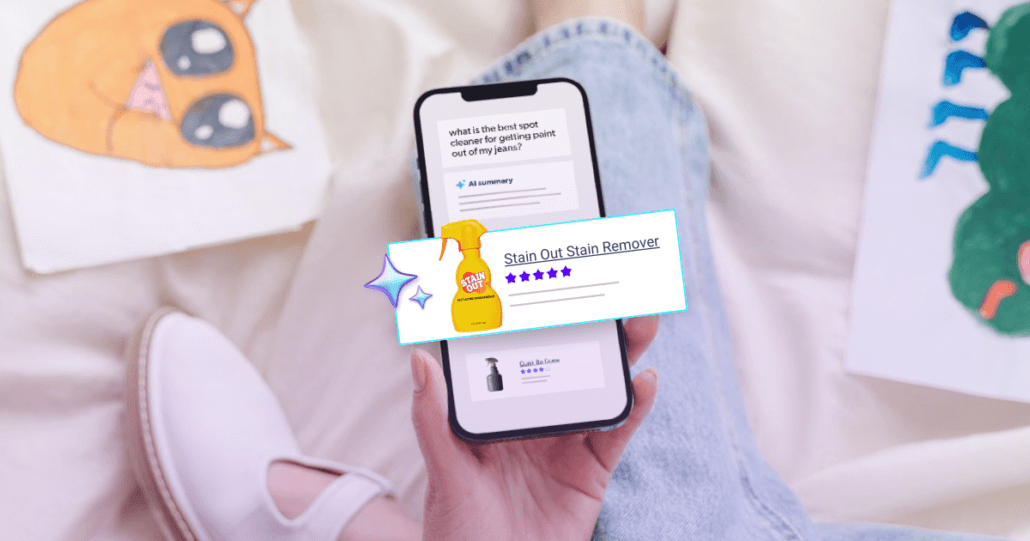
How people discover products online has changed. Shoppers are using conversational AI apps to ask complex, contextual questions. They might ask: “I need a tangerine blush that looks good on brown skin. It can’t be oily or break me out. What do you recommend?” Instead of sorting through pages of links, they expect a direct answer and a shortlist of products.
This shift doesn’t mean the search engines you know are going away. AI applications are just acting as a new, additional layer of product discovery. To remain visible when consumers ask these descriptive questions, brands must make sure their online product information can be found and read by AI systems.
Research from Yale University, Columbia University, and the University of Chicago shows that AI agents are 20–40% less likely to select products when key information like sentiment and review volume is missing.
What makes your content invisible to AI
AI applications can scan basic, static details on a webpage like titles, pricing, and descriptions. Yet they frequently miss the deeper customer evidence loaded onto Product Detail Pages (PDPs). On most sites, reviews and Q&A load dynamically through client-side JavaScript after the initial page render.
While a human shopper can see this information as the page loads, AI crawlers often miss it. They may not pause to run complex code.
That gap can leave your most useful, contextual customer evidence unreadable to AI applications – things like your:
- Detailed ratings and reviews
- Automated review summaries
- Customer questions and answers
- Recurring product attributes and sentiment
If an AI crawler can’t view your customer conversations, it cannot assess real-world proof and use cases for your products.
Why structured UGC is central to your strategy
To fix this visibility gap, websites rely on structured data markup. Simply put, structured data means labeling webpage content with a standard code so search engines and AI applications can instantly understand what each piece of text represents.
Instead of trying to parse a massive wall of unstructured text, structured data clearly points out the exact evidence within your customer feedback:
- Average star ratings and exact review volumes
- Specific customer experiences and usage context
- Consistent product strengths and weaknesses
- Detailed answers to questions about fit or usage
Using structured data improves the accessibility of your website. It provides clear signals that help automated applications read and process your page content. It improves your chances of being discovered, trusted and chosen by AI agents.
Introducing the Authentic Discovery API™
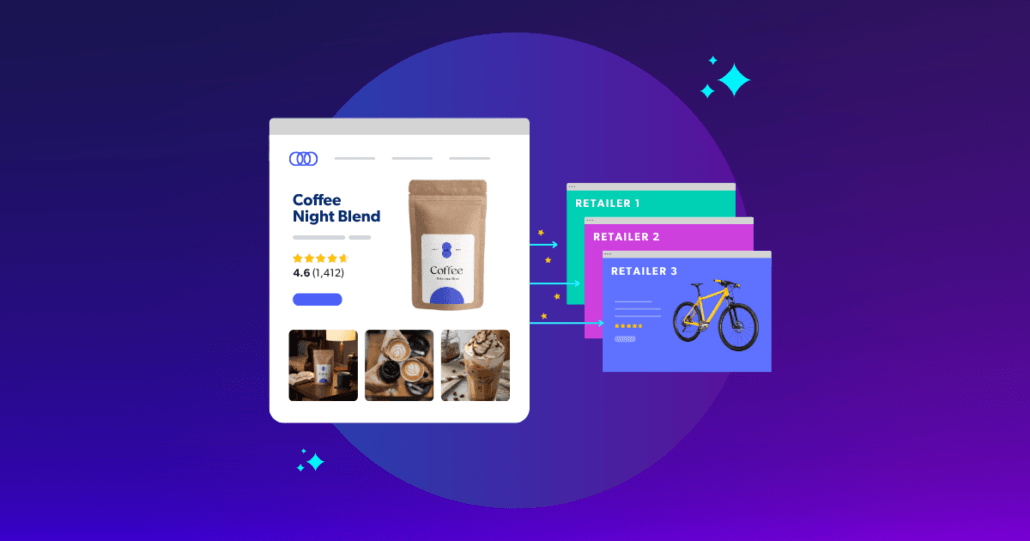
The Bazaarvoice Authentic Discovery API™ is a direct solution to the JavaScript visibility gap. Instead of forcing automated crawlers to run complex scripts in the user’s browser, the API organizes your UGC. It converts it into clean, ready-to-use JSON-LD, a format that LLMs and AI agents love. The data confirms this preference: 68% of Google AI Overview answers originate from pages that utilize structured data markup. You can really see the difference when you look at how different pages perform. This JSON-LD integrates directly into your website’s server HTML response.
How it works:
- The crawler requests the page: A search engine or AI crawler requests a specific product detail page from your website server.
- The server calls the API: Your web server securely retrieves structured ratings, reviews, summaries, and Q&As from the Bazaarvoice Authentic Discovery API™.
- The page loads with structured HTML: The server embeds ready-to-use JSON-LD directly into the static HTML before serving. This makes the data instantly readable to automated crawlers.
This server-side approach avoids relying on client-side execution. It delivers the full depth of your customer signal on the first pass.
“The same strengths that have always defined Bazaarvoice root our leadership in Generative Engine Optimization. We don’t just provide content, we provide signal density. By making billions of high-quality, human-vetted product insights easily readable for AI systems, we help our clients maintain clear visibility at every stage of the modern shopping journey.”
Marissa Jones
Chief Product Officer, Bazaarvoice
The results
Implementing structured data delivers clear, measurable performance improvements. Across the clients that implemented the API, there was a 40% median increase in AI-driven referral traffic to their sites.
Keep customer sentiment accessible
Being discoverable in AI-powered search starts with the Accessible pillar of the Bazaarvoice Triple-A framework. The Triple-A framework: Accessible, Authentic, and Abundant—serves as the foundational blueprint for modern digital commerce, ensuring consumer content is perfectly optimized for both machine discovery and human trust.
Collecting customer proof isn’t enough on its own. That content also has to be structured, so automated tools can read it and use it as credible evidence.
True brand visibility relies on user-generated content that fulfils three core pillars defined by Bazaarvoice:
- Accessible: Explicitly structured in static HTML so AI applications and search crawlers can read it without script delays.
- Authentic: Human-vetted, honest product insights that provide trustworthy context for buyers and search systems alike.
- Abundant: A deep, fresh pool of reviews and Q&As capable of answering highly specific consumer questions.
For a fuller breakdown of the Triple-A framework and what it takes to prepare your digital shelf for conversational search, read our guide.
Make your product proof readable
The Authentic Discovery API™ delivers your ratings, reviews, and Q&A as structured data your product pages can serve directly to AI crawlers.
Talk to our team about what implementation looks like for your catalog.