January 16, 2024
You offer high-quality products and stellar customer service, and your customers tend to agree. Just look at the thousands of rave reviews that you have! But, occasionally, a negative one pops up. While that likely feels like a punch in the gut, a negative review isn’t actually a bad thing. In fact, businesses with higher negative reviews can see up to 13% higher revenue than those with fewer, so responding to negative feedback can truly benefit your brand.
Customer ratings and reviews matter, with 89% of shoppers consulting them before purchasing anything. They do pay attention to how positive reviews are of course, but also consider other factors like the quantity and recency of reviews. Consumers also heavily rely on negative reviews to inform their purchases, 82% of customers specifically search for negative reviews, often spending significantly more time reading them before making a decision.
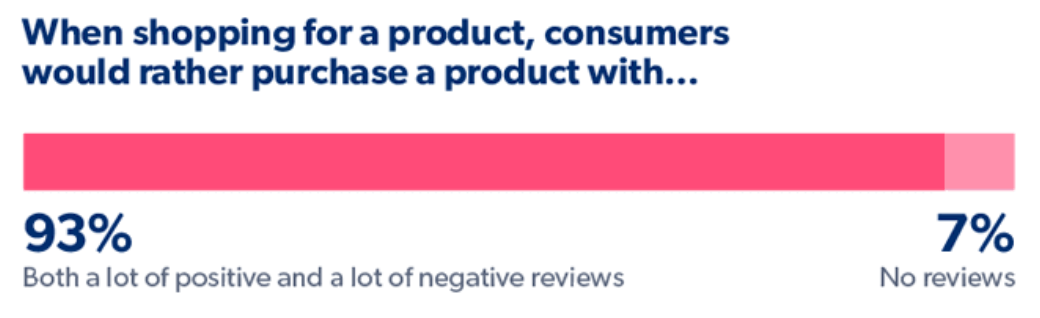
Negative reviews make your brand seem more trustworthy and authentic. In fact, 64% of customers prefer purchasing from a company that is responsive to reviews instead of one that just appears perfect, as it builds trust and credibility. Or even fake.
60% of shoppers think negative reviews are just as important as positive ones in deciding what to purchase, as they can learn just as much (if not more) about your products from negative reviews.
When you receive a negative review, always reply, whether it’s on Google or another platform like Bazaarvoice. Here’s how to respond effectively and why it benefits your business.
Best practices for responding to negative reviews
Most consumers will give your brand another chance if you handle negative feedback well. Use these best practices to protect your reputation and turn criticism into loyalty.
1. Show empathy
Everyone likes to feel heard. Acknowledge the issue and apologize, even if you think the review isn’t necessarily warranted. Show the reviewer (and anyone else reading your response!) that you understand their frustration and that their opinion is valid.
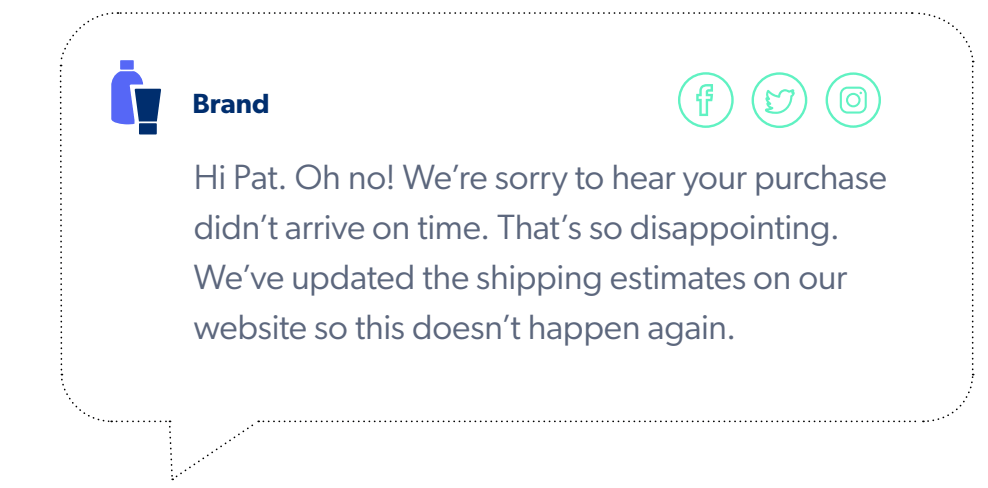
Focus your response on the problem and offer a solution. Never criticize the reviewer or get defensive. Internally, route the issue to product development, shipping, or another appropriate division in your company.
2. Be personal
With so much online brand noise, consumers really appreciate authenticity. Refer to the customer by their name in your response. Restate their specific problem to show that you truly understand the issue and state how you’re attempting to resolve it.
Avoid scripted responses, as they feel impersonal and can turn shoppers away, experts recommend to avoid copying and pasting generic responses as this can be as damaging as not responding at all.
- “Thank you, TJ. Your thoughts are important to us…”
- “Thanks for taking the time to share your feedback with us, Albert…”
- “Sam, we’re so glad you raised this issue…”
Vary your opening sentences to keep each response personal and authentic.
3. Respond quickly
Respond to negative reviews within 24 to 48 hours to show you care and build trust; in fact, 21% of customers expect a brand to reply within 24 hours or less. 84% of retailers say they respond to feedback, but customer expectations are often higher, so timely replies set you apart.
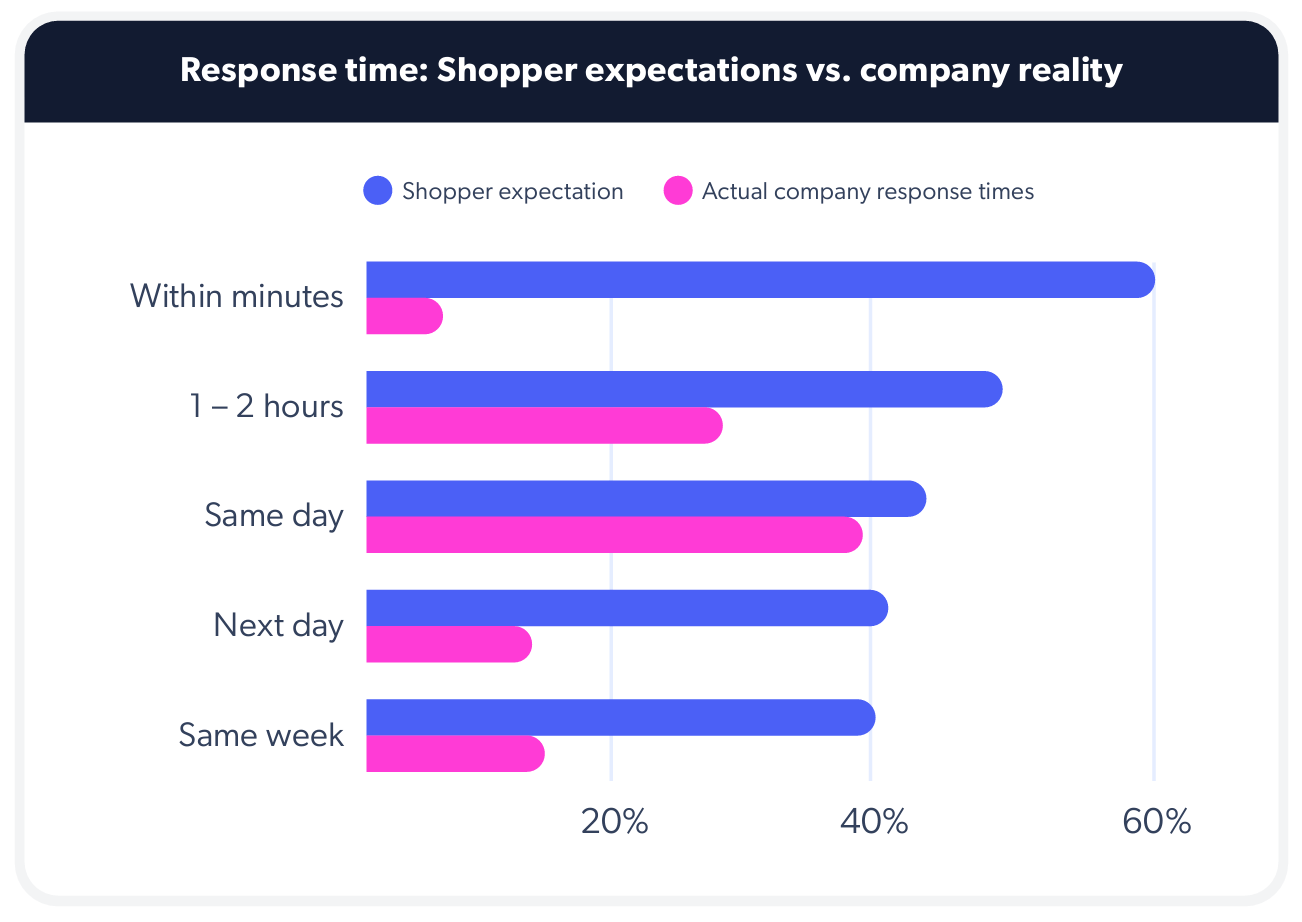
Generally it’s best practice to spend about an hour for every 50 reviews you encounter as you’ll be prioritizing 1-3 star approved reviews. This includes time for research, writing, and editing your responses.
4. Stick to the point
Keep your responses short and focused. Too many details can overwhelm customers and make your brand seem defensive.
Don’t ask any follow-up questions in the response, either. If you need additional information, ask the customer to contact your customer service team and include the contact information. And, be on the lookout for that one-on-one message to come through.
5. Learn from negative feedback
Negative reviews offer valuable insights for improvement. When you notice consistent feedback, take action and let reviewers know you’re listening. For example:
- Update product features based on feedback
- Improve customer service processes
- Communicate changes to your customers
“Feedback like yours helps us improve, thank you for submitting this review…We value hearing from customers and need this constant feedback loop, whether it’s negative or positive, or we aren’t going to get better,” says Drew Frey, Community and Advocacy Manager, Webroot. “We monitor these comments daily, and if we see any concerning trends, we share that with the rest of the team internally.”
Should you respond to negative reviews?
Yes. You should always respond to negative reviews. Review management should be a major aspect of your content strategy. The biggest reason is trust.
- Expectation: 54% of shoppers say that if they write a negative review, they expect a response from the company.
- Action: 87% of them expect brands to do something after receiving a negative review, whether that’s replying or offering a discount for future purchases.
No matter how annoyed the customer is, your response leaves a positive impression and calms the situation. Even if they swore to never buy from you again, replying and showing your interest in making things right will likely change their minds, as 22% of customers are unlikely to do business with brands that don’t respond to any reviews.
89% of consumers read responses to negative reviews, so replying builds trust and protects your reputation. When customers see you listen and respond, they are more likely to return and spend more money.
How to tailor your response by tone and situation
Not all negative reviews are the same. Matching your response to the customer’s tone is key to resolving the situation effectively. Here’s how to adapt your approach for common scenarios.
- Valid point: Acknowledge the issue directly and thank them for the feedback. An honest apology shows you take ownership. Explain the steps you are taking to fix the problem, both for them and for future customers. This turns a negative experience into a demonstration of your commitment to quality.
- Angry but vague: Start with empathy to de-escalate the situation. Apologize for their frustrating experience. Since you lack details, invite them to discuss the matter offline. Provide a direct contact email or phone number so your team can gather the specifics and find a resolution privately.
- Unfair or misunderstanding: Respond politely and professionally, without being defensive. Gently clarify any misinformation. For example, if a review complains about a feature your product isn’t meant to have, you can explain the product’s intended use. This helps inform the original reviewer and any future shoppers reading the thread.
Examples of effective responses to negative reviews
Webroot, an internet security software provider, has seen the benefits of responding to reviews first-hand. The company responded to 70% of its low-rated reviews. This improved the shopping experience for those who left negative reviews, but also humanized the brand and instilled confidence in shoppers by showing off its top-notch customer service.
And then there’s pharmacy giant Boots, who turn unhappy customers into brand advocates by responding to negative product reviews. Through their strategy, the brand has seen a 186% increase in intent to purchase when responding with an explanation or guidance on how to use a product differently.
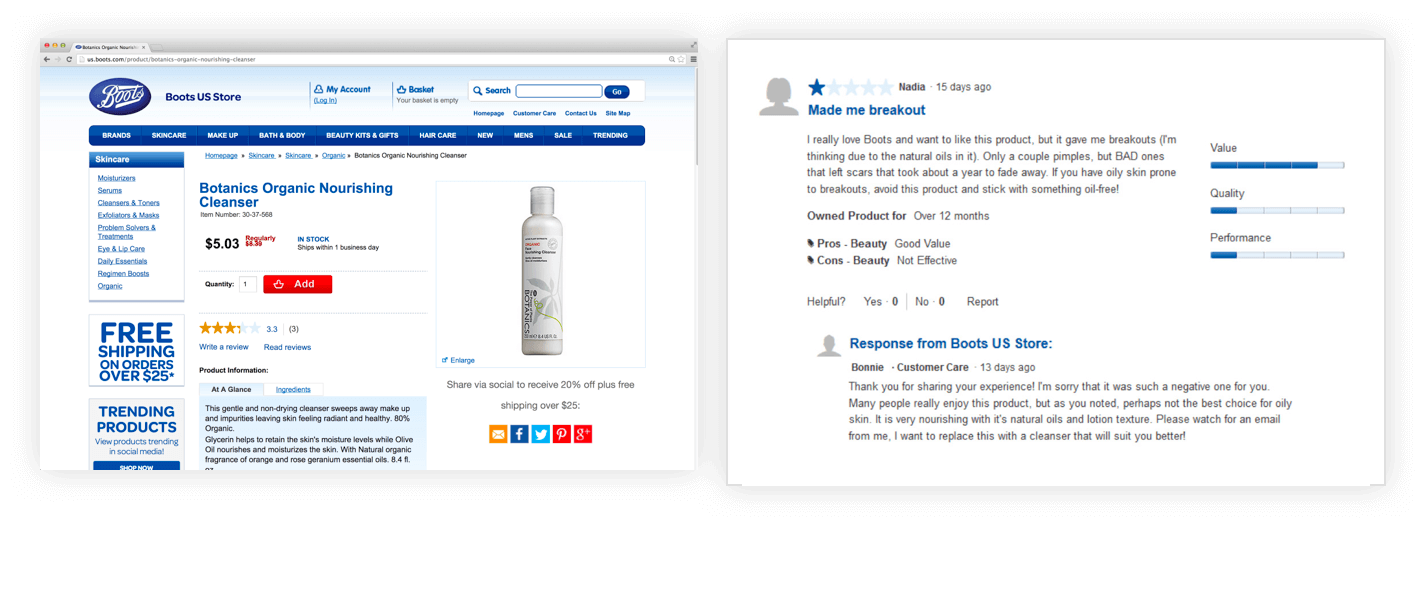
Seeing similar results when you respond to negative reviews depends on getting the messaging right. You want to keep your brand tone intact and be friendly, personal, and specific. Using a canned response for every review will turn customers off.
Make sure every response provides value to both the reviewer and future customers, as responding publicly can differentiate your business and demonstrate accountability in a crowded market.
- “Hi Kate! We’re so sorry to hear that you had issues with [add the specific product or service here].”
- “We’re so sorry you had a bad experience with [add specifics of the issue].”
- “We appreciate your feedback, Melissa. It looks like others are having this issue, too. We’re looking into this.”
- “Thanks for taking the time to share your feedback with us, Mark. Feedback like yours helps us improve.”
- “We’re sorry you had a bad experience with [add product or service]. We would love to help you further, but we need more details about your experience. Please contact our Customer Care team at [add phone number, email address, and hours of operation].”
Platform-specific response strategies: Google, Yelp, and more
While the core principles of a good response remain the same, where you post it matters. Different platforms have different audiences and levels of visibility. Here’s how to tailor your responses for the channels that matter most.
- Google: Google reviews are highly visible and impact local search rankings. Keep your response concise, professional, and keyword-rich where it feels natural. Your reply is not just for the customer but for every potential shopper who finds your business on Google Maps or in search results.
- Your own website: When responding on your own product pages, you have a direct line to shoppers who are actively considering a purchase. Use this opportunity to provide detailed solutions, clarify product features, and show that your brand is listening. A thoughtful response here can directly influence a conversion.
Why negative reviews matter
Negative reviews matter because they build trust and show your brand is transparent and responsive. Products with a mix of reviews, including some negative ones, have higher conversion rates than those with only positive feedback, and businesses in this range see their revenue is 13% higher compared to those with very few negative reviews.
- Authenticity: Shoppers value reviews and trust the recommendations of fellow shoppers every bit as much as friends and family, if not more; in fact, 22% of customers feel a brand is trustworthy when it responds thoughtfully to feedback.
- Transparency: Consumers realize that no one is perfect, so they expect to see a mix of feedback. Being transparent, featuring negative reviews and responding to them, makes you more authentic in the eyes of consumers.
Retail giant Walmart particularly understands the value of negative reviews.
According to Alyssa Thomas, Director of Product, Content as Commerce, at Walmart.com, “One of the things that we are not willing to sacrifice is authenticity. So, one of the really important parts of customers reading ratings and reviews is that they trust that they’re authentic and relevant to the item. Otherwise, we potentially lose that trust that customers were looking for from reviews in the first place.”
They identify problems
Negative reviews might uncover flaws or problems with products, which you might not otherwise find out about. We’ve found that about 4% of reviews note manufacturing issues, 2% identify product improvements or additions, and 1% point out discrepancies in product descriptions or website copy, according to our Shopper Experience Index.
- Product improvement: 66% of retailers and brands use reviews to improve products, and 50% to improve marketing tactics and messaging.
- Quality assurance: Getting this feedback gives you a chance to talk to manufacturers and vendors to address problems head-on so your reputation stays intact.
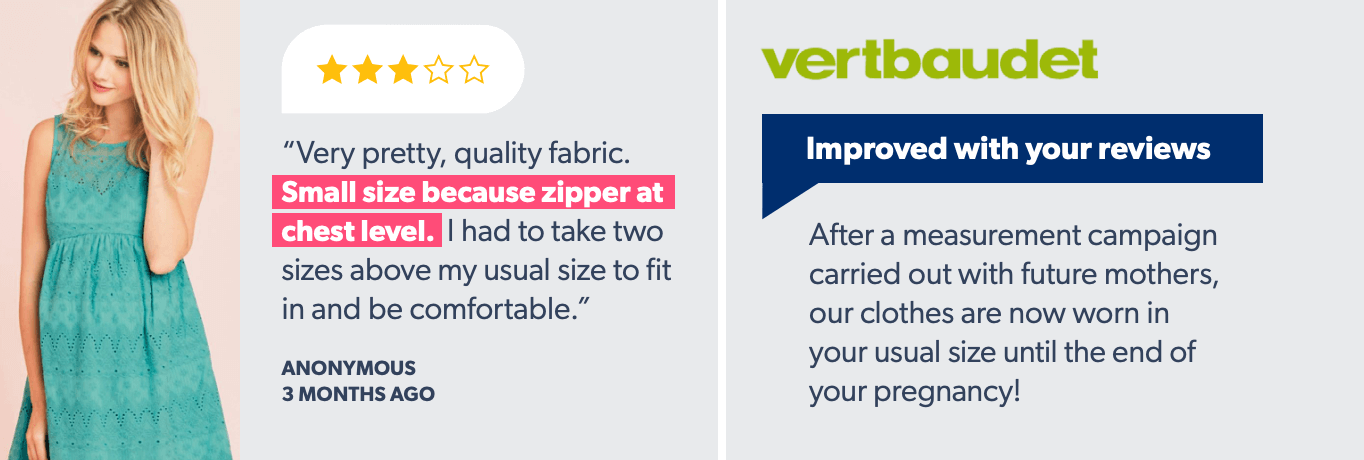
Clothing retailer Vertbaudet, for example, noticed consistent negative reviews around the sizing for a line of maternity dresses. The brand took this feedback on board and resized the line, leading to a 12% increase in sales.
They inform product innovation and market needs
Listening to what customers say about your products can inspire innovation. You may come up with ways to improve existing products that drive higher sales or realize there’s a market need for an entirely new product.
They help improve customer service
Over 70% of the brands we work with use negative reviews to improve customer service. Think: slow shipping times, unhelpful responses from customer support teams, or items damaged in transit.
- Service recovery: Shoppers expect you to listen and remedy the problem.
- Retention: Most consumers are willing to do business with a company again after a bad experience, and many will delete negative comments once they receive a reply or a fix, 7 in 10 customers change their perception about a brand after the business responds to their review.
It’s always a good idea to make things right to keep customers coming back.
How to use negative reviews to your advantage
No one likes bad feedback, of course. But negative reviews aren’t all bad and even offer some advantages:
- Customer interactions: You may not always get the chance to connect with your shoppers in such a direct way. Reviews (good and bad) let you find out exactly what they think about your brand and give you an opportunity to make up for a bad experience.
- Areas for improvement: Negative reviews offer insights, which you should learn from. If several customers are pointing out the same shipping problem or product flaw, you can take action and improve your products and systems.
- Transparency and credibility: Displaying negative reviews shows that you have nothing to hide, which lends an air of credibility to your brand. Consumers will realize that their feedback matters—and your desire to make things right will resonate.
- A jump on the competition: When customers point out issues with products, they may give you ideas for new things. Or, help you see a market need for something else. Use this information to get ahead of your competitors.
- Brand empathy: Some negative reviews are just unreasonable. But, taking the time to thoughtfully respond, even when you know it’s unfair, will win over customers. Consumers often feel empathy toward unnecessary and unwarranted reviews. They’ll want to support you, and this is great for your brand reputation.
Ready to build trust through authentic customer feedback?
Responding to negative reviews is more than just damage control, it’s an opportunity to build trust, demonstrate your commitment to customers, and gather valuable insights. By handling feedback with empathy and a solution-focused mindset, you can turn unhappy shoppers into loyal advocates and show everyone that you’re a brand that listens.Managing reviews at scale can be a challenge, but the right tools make it simple. Bazaarvoice helps you easily manage and respond to reviews across all your channels.
Contact us to learn how we can help you turn customer conversations into growth.
Frequently asked questions about responding to negative reviews
How do you write a good response to a negative review?
Respond quickly, thank the customer, and address their concern with a solution or next step. Keep your reply personal and professional to show you care.
How do you respond to a 3-star review with no comments?
Thank the reviewer for their feedback and invite them to share more details so you can improve their experience next time.
What should you not do when responding to a negative review?
Don’t argue, get defensive, or use generic replies, focus on resolving the issue and showing you care.
How can I handle fake or unfair negative reviews?
Respond politely, clarify your policies, and report the review to the platform if it violates guidelines.
How quickly should I respond to negative reviews?
Reply within 24-48 hours to show you value customer feedback and are committed to resolving issues.