March 20, 2023
In Greek mythology, King Midas could turn everything he touched to gold, coining the phrase “the Midas touch.” Ratings and reviews are the Midas touch of the commerce realm — both online and in-store. 89% of shoppers always consult reviews before making a purchase, so you’ll want to get more product reviews as quickly as possible.
A number of factors dictate customer opinion of a review, but two of the top are “recency” and “quantity” according to our consumer research. So not only do you need to get more product reviews, you’ll need to know how to do it consistently and efficiently.
Why do I need to get more product reviews?
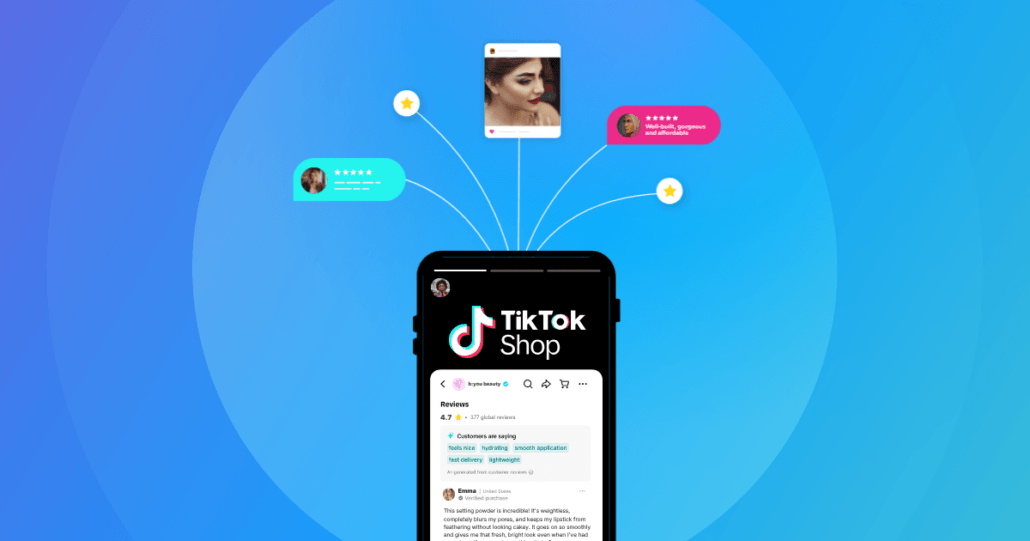
Product reviews are essential for building trust and driving sales, as they influence shoppers at every stage of the buying process. In fact, social media use for product research continues to rise, highlighting the role of reviews in purchase decisions.
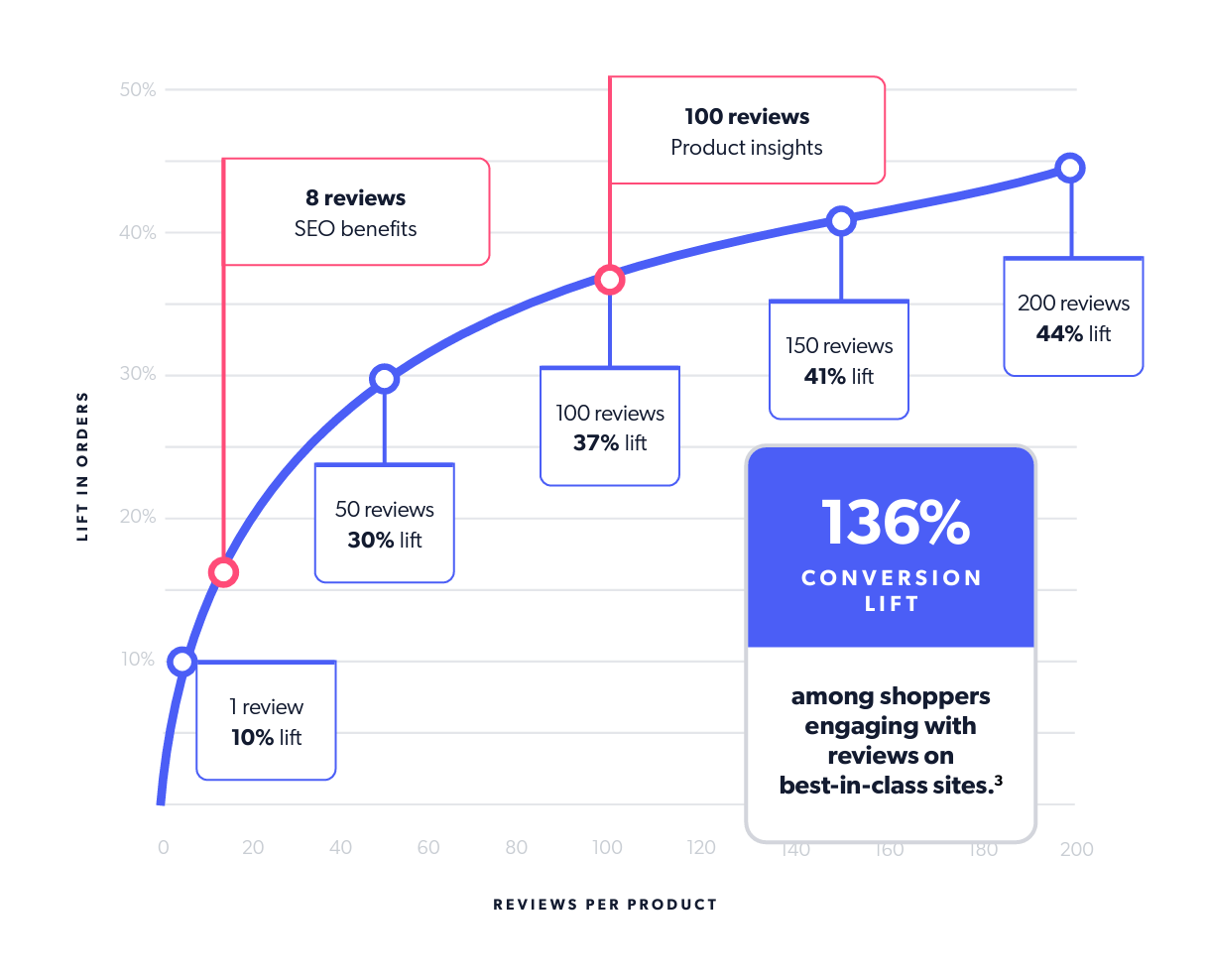
- Product reviews increase your search visibility. With more shoppers turning to online-only retailers each month, reviews can help your products stand out in search results.
- They inspire shopper confidence and lift conversions. In fact, 29% of surveyed consumers in select markets reported they purchased a brand they discovered on social media, often influenced by reviews and recommendations.
- Reviews help your business stand out in a crowded market. As Gen Xers surveyed and even baby boomers increasingly engage with platforms like TikTok and Instagram, positive reviews become more visible to a broader demographic.
- Most consumers consult reviews when shopping for new products. Reviews introduce new products, with 88% of shoppers using reviews to discover and evaluate products. Not only do shoppers look at product reviews, they care about the number of them. According to Deloitte and Touche LLP research, a high number of reviews is one of the most significant factors that sway purchasing decisions for 46% of shoppers.
- Brands utilizing reviews see a significant conversion and revenue lift. Shoppers engaging with reviews from the best-in-class sites (the top 25% of our clients) can see a 138% increase in sales conversion.
- Reviews give your brand an edge over the competition. According to our Shopper Experience Index, 63% of e-commerce brands say reviews improved SEO. Because reviews create more content for websites, they can add more keywords relevant to your business, boosting your SEO. (Also, Google plays favorites with brands that have positive reviews since it wants to provide users the best experience possible).
- Reviews provide authenticity for shoppers. Shoppers want to buy from brands they trust. In fact, close to 82% of shoppers refuse to buy from a brand they don’t deem trustworthy. With over 78% of shoppers using reviews to identify brands they trust, it’s essential to keep the reviews pouring in.
Brands crushing the review collection game
Here are examples of brands successfully using customer reviews to boost sales and trust.
Making lasting impressions
First impressions matter, and Carvana puts customer reviews front and center on their home and product pages. This approach builds trust by showing real feedback from shoppers.
Once you arrive on Carvana’s homepage, visitors witness fellow shoppers’ affirmations of the brand. Carvana embraces the power of all reviews and invites web visitors to check out what fellow customers have to say (the good, the bad, and the ugly).
Bridging the gap between the user experience online and in-stores
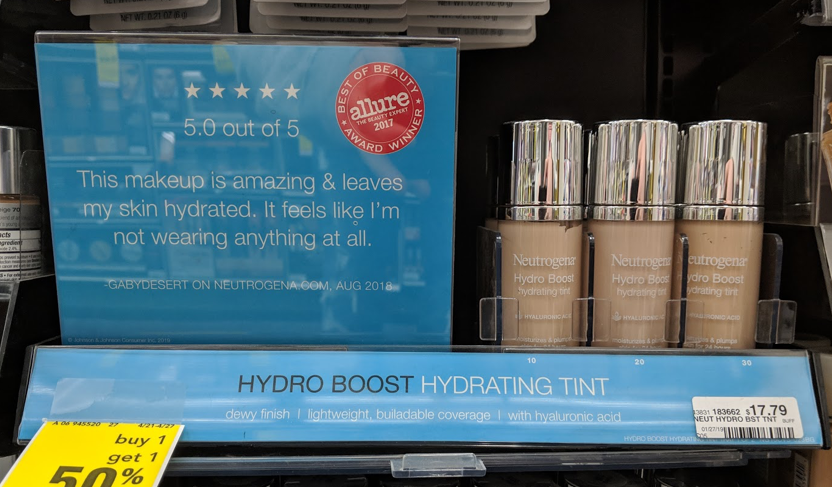
Neutrogena features customer testimonials on in-store displays to connect online and offline experiences. This helps shoppers see real opinions while trying products in person.
Fueling retail sales and partnerships
Petmate builds buyer confidence by using review syndication to share feedback across retail partners. This approach helped them syndicate over 8500 reviews to more than 50 retailers, increasing product visibility and trust.
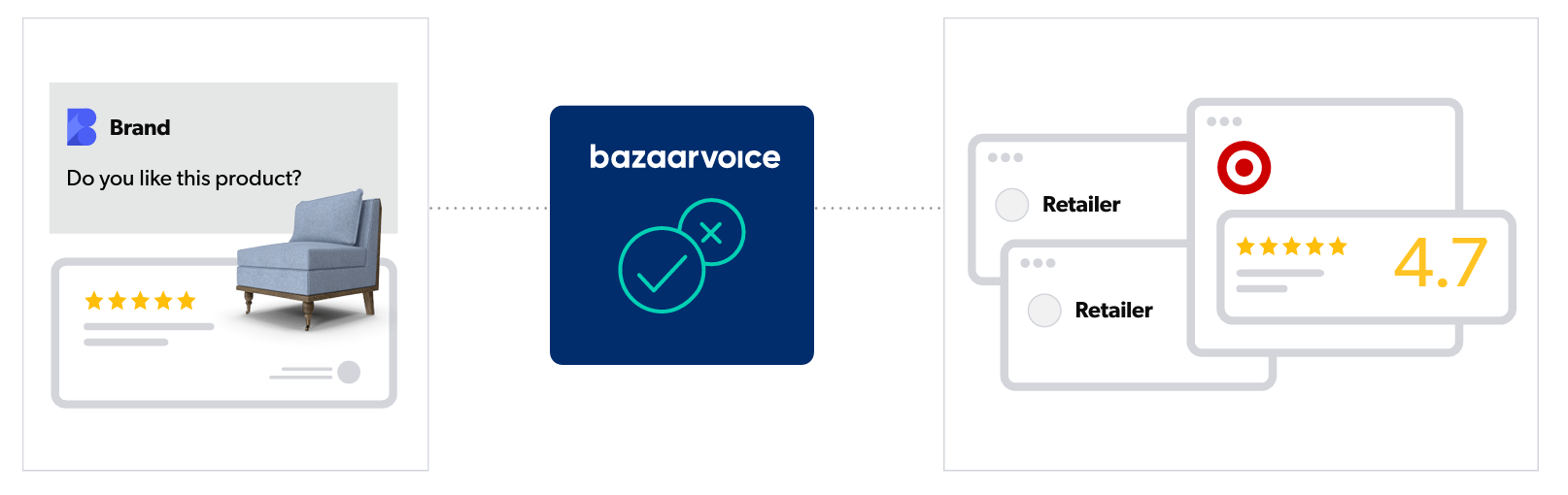
This initiative helps feed sales to the retail channels while simultaneously solidifying relationships with partners.
How to get product reviews
With a network of over 12,500 brands and retailers, we know what works when it comes to collecting product reviews.
Here are the five fastest ways to get more product reviews from your customers.
1. Incentivize reviews for your products
Waiting for reviews on products to filter in organically is like waiting for paint to dry. A great way to turn on the review water valve is to incentivize feedback. While you may think shoppers are skeptical of an incentive initiative, they actually aren’t phased. Therefore, both organically and incentivized reviews matter to shoppers.
Running a sweepstakes is a great way to encourage reviews. Benefits include:
- Higher submission rates
- Volume spikes
- Improved average star ratings
See how it works: Sweepstakes example
Another option is a sampling campaign, where you provide a free sample of a product in exchange for an honest review.Either way, from cashback to loyalty points to coupons, shoppers drool over freebies — but who doesn’t? Not to mention people love to share their opinion about brands. But just make sure you’re transparent about any incentive, so you can continue building trust with your shoppers. We recommend including a disclosure such as, “This reviewer received a free product in exchange for their honest feedback” to any incentive reviews.
2. Review request emails
One of the best solutions to get product review submissions is to email customers asking them to review a product right after purchase. Our research shows that review request emails yield an increase of 4-9x in review content. And if you send a follow-up email, you can see up to a 50% increase in review volume.
If you collect the shopper’s email at the point of sale, you can include a link to the item in question. Roughly 80% of collected reviews on products come from a review request email that contains the product link.
If the product purchased is a mystery, you can email the shopper to pick from several items and write a product review from there.
Send your review request email after the customer has received and tried the product. For best results, use a single call to action, such as “write a review,” to keep the message clear and focused.Clothing brand MeUndies turned to review request emails and grew review volume 218% year-over-year.
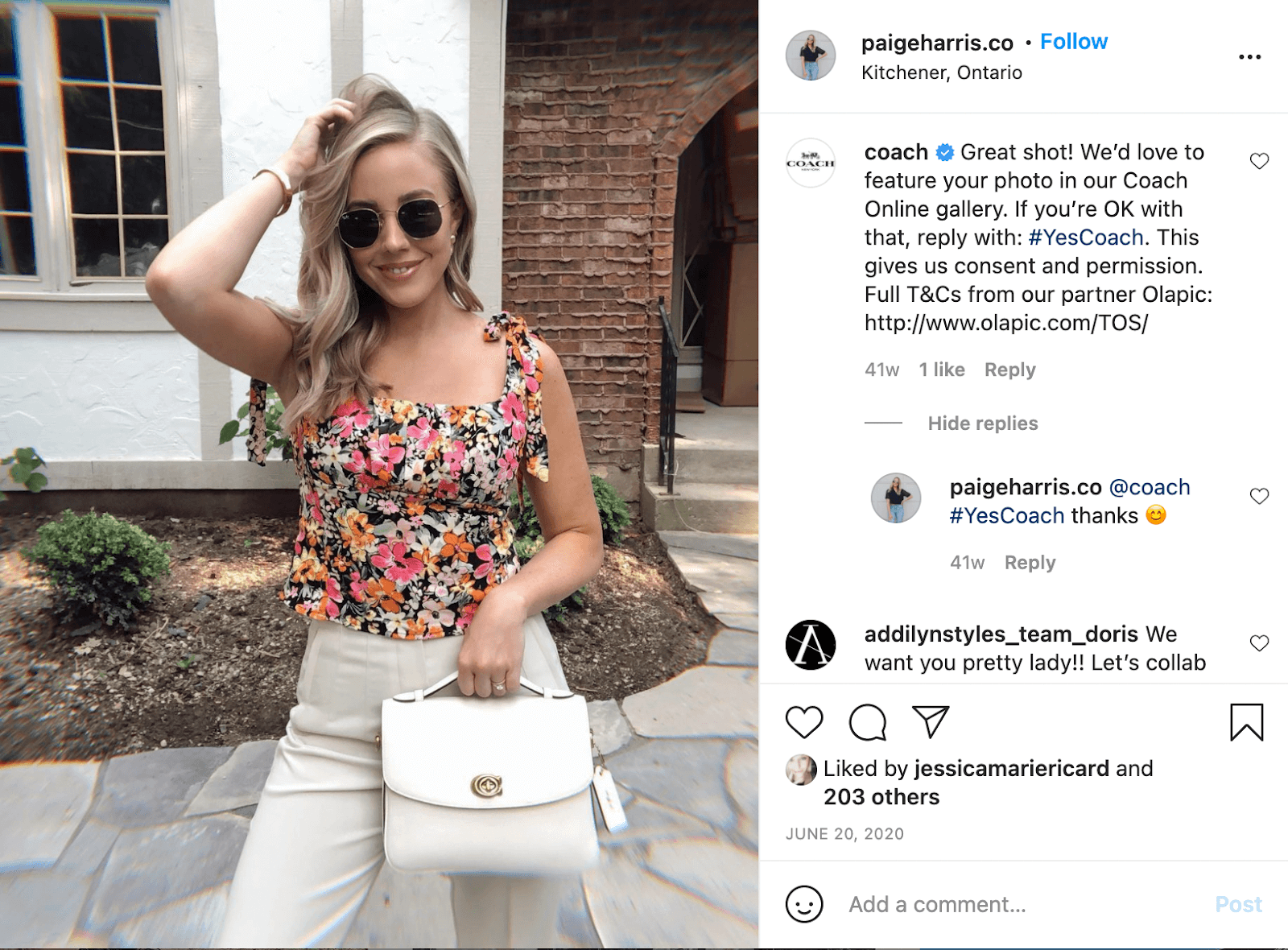
3. Scan social media
Shoppers want brands to hear them loud and clear. They want to know brands care about their thoughts and opinions — 64% of consumers say they want brands to connect with them on social media. This aligns with the increase in social media use for product research across global markets.
- Connect where your customers are: Meet your audience on the platforms they use most.
- Share and tag: Highlight recent feedback and tag customers to encourage more reviews.
- Ask directly: Request reviews in your posts or stories, or comment when someone tags your brand.
You can also include a link to your product page in your social posts, making it easy for your audience to leave a review. If you have a community of influencers, invite them to share their experiences. If not, tap into an existing network like The Influenster community to generate authentic content about your brand.
4. Get visual product reviews
Visual content makes reviews more engaging and trustworthy. According to Bazaarvoice data, 66% of shoppers are more likely to buy a product if the review has visual content.
- Encourage photos and videos: Ask customers to upload images or videos with their reviews.
- Showcase visuals: Feature visual reviews on your product pages to inspire others.
Giving customers the ability to instantly share visual content on your site transforms the online shopping experience and sets your brand apart.
5. Work with a ratings and reviews platform
You know you need reviews, but why go it alone? Managing, collecting, and updating reviews is time-consuming and cumbersome. Using proven resources like a ratings and reviews platform provides you with the technology needed to efficiently and effectively manage your UGC (including collecting reviews) at scale, as well as show you the sales impact of your UGC.
Practical templates for requesting reviews
Knowing how to ask is just as important as asking. Use clear, simple templates to make it easy for customers to say yes. Here are a couple of examples to get you started.
Email Template
Subject: How did we do? Share your thoughts on [Product Name]!
Hi [Customer Name],
Thank you for your recent purchase! Your feedback helps other shoppers make confident decisions, and we’d love to hear what you think.
Could you take a moment to share your experience? It only takes a minute.
[Button: Leave a Review]
Thanks for being a part of our community,
The [Your Brand] Team
SMS Template
Hi [Customer Name]! Thanks for choosing [Your Brand]. Help other shoppers by sharing your experience with [Product Name]. Tap to review: [Short Link]
Timing strategy: When to request reviews for maximum impact
Timing is everything. Ask for a review too early, and the customer hasn’t had a chance to use the product. Ask too late, and the initial excitement has faded.
- For most products: 7-14 days after delivery is ideal.
- For long-term use items: Wait 21-30 days to allow for a full experience.
Experiment with different timelines to see what drives the best response rate for your audience.
Automate your follow-up: Streamline review collection
Don’t let a single request be your only attempt. Customers are busy, and your first email can easily get lost in their inbox. An automated follow-up message can increase your review volume significantly.
- Set up reminders: Send a gentle follow-up 5-7 days after your initial request.
- Use automation: The right review collection platform can handle this for you, making the process effortless and efficient.
Get more product reviews with Bazaarvoice
As the leader in the industry (according to G2), the quickest way to get more product reviews is to work with Bazaarvoice, because we’ll do it for you.
Dole Packaged foods for example wanted to give customers a voice through product reviews, so they turned to Bazaarvoice ReviewSource and gained 2.3k new reviews — and a 64% conversion rate lift among shoppers who engaged with that content.
Take the guesswork out of gathering new reviews while effortlessly elevating the voice of your shoppers and conversions. Learn more about Bazaarvoice Ratings & Reviews.
Frequently asked questions about getting product reviews
Is it okay to incentivize reviews?
Yes, as long as you are transparent and disclose any incentives. This builds trust and encourages more customers to leave honest feedback.
What’s the best way to follow up if a customer doesn’t respond?
Send one friendly, automated reminder 5-7 days after your initial request to boost your response rate.
Are there risks to buying fake reviews?
Yes, buying fake reviews can damage your reputation and result in penalties from platforms and search engines.
How can I get customers to leave more visual reviews?
Ask for photos or videos in your review request and make it easy to upload them directly from any device.
Should I ask for reviews on all platforms at once?
Focus on the platforms where your audience is most engaged and keep your requests simple and targeted.