September 17, 2026
Marketing to Gen Z shows how much consumer behavior has changed. Shoppers no longer move neatly from ad awareness to brand consideration to purchase. They discover products in feeds, validate them through creators and customer content, compare them across channels, and increasingly ask AI tools for recommendations.
Gen Z is the clearest example of this shift. They grew up with social platforms, mobile commerce, creator culture, and algorithmic discovery as everyday behavior. Bazaarvoice’s 2026 Shopper Experience Index found that 79% of consumers use social platforms to find new products and 71% watch product reviews there. This data shows how quickly social discovery, evaluation, and purchase are converging.
This guide explains how Gen Z’s shopping behavior differs from other generations and how brands can take advantage of it. It covers what those differences reveal about modern marketing. Explore how brands can build trust across social commerce, creator content, UGC, reviews, and AI-driven discovery.
Key takeaways:
- Bazaarvoice’s 2026 Shopper Experience Index found that 79% of consumers use social platforms to find new products and 71% watch product reviews there, making social discovery and validation core parts of modern commerce strategy.
- Marketing to Gen Z shouldn’t be all about chasing youth trends. It’s more valuable to understand how discovery, trust, content, and purchase behavior have changed for every generation.
- Gen Z consumers look for reviews, creator content, social proof, and user-generated content before they buy.
- The biggest difference between Gen Z and Millennials is not simply channel preference, but the speed at which Gen Z moves from social discovery to validation to purchase.
- Brands need connected shopper content systems that make products discoverable, trusted, and chosen across social platforms, ecommerce, retail channels, and AI search.
How consumer behavior now shapes modern marketing
The older model in which brands could lead with controlled messaging, move shoppers through a linear funnel, and close the sale on a product page still exists. However, it’s no longer enough.
Today, discovery starts in more places:
- Social feeds
- Creator ecosystems
- Online communities
- Retailer search
- Review pages
- AI conversations
- Short-form video
- Shoppable content
Trust has also changed. Brand claims still matter. However, shoppers can instantly compare those claims against reviews, creator opinions, Reddit threads, TikTok videos, customer photos, and AI-generated summaries. Consumers make decisions based on evidence they can see, not just messaging they are asked to believe.
Purchase paths have also compressed. A shopper might discover a product in a creator video, check customer reviews, and compare alternatives. They might buy without ever visiting a traditional brand campaign landing page. Social commerce, retail media, product pages, and AI search are no longer separate touchpoints. They are part of one shopper-led decision system.
How Gen Z shoppers react to and engage with marketing
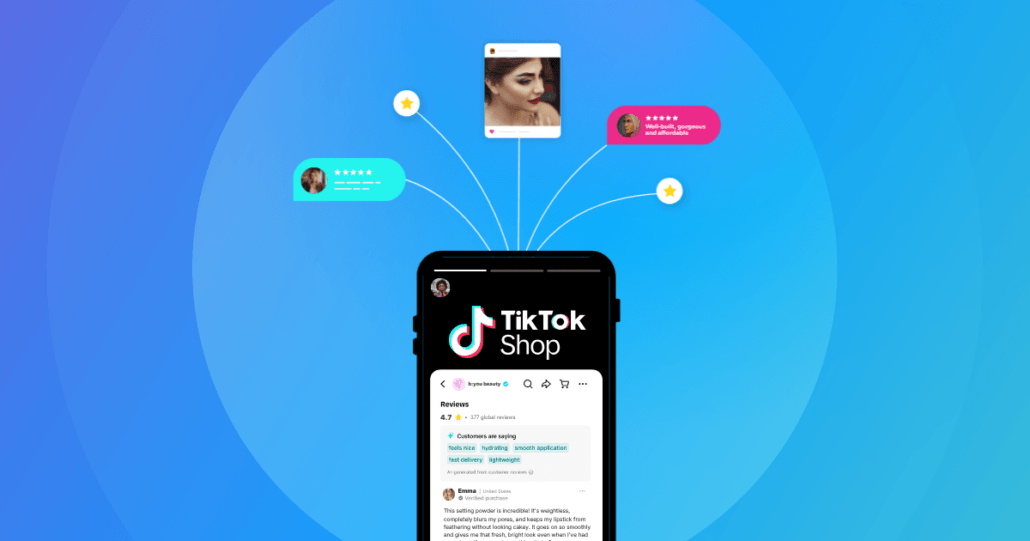
Gen Z shoppers engage with a wide range of marketing channels. They use social platforms as discovery engines, creators as filters for relevance and trust, and reviews, visual user-generated content (UGC), and peer recommendations to decide whether a product is worth their attention.
Bazaarvoice’s 2026 Shopper Experience Index shows how fragmented product discovery has become. When consumers need to find a highly specific product, 35% go first to traditional search, 21% go to social media, 20% go to a retailer app, 14% go to discussion forums, and 11% go to an AI assistant. That means brands need product content that can support discovery across search, social, retail, community, and AI-driven channels.
The most popular AI tools among Gen Z (ChatGPT, Gemini, and Google Assistant) may also steer them to purchases.
- Social platforms are discovery infrastructure: For Gen Z, TikTok, Instagram, YouTube, and social search are places to find products, learn what is worth trying, and understand how a brand shows up in culture. Product demos, creator posts, customer reviews, and short-form videos all become discovery assets.
- Validation comes from people, not just brands: Gen Z shoppers are skeptical of claims they cannot verify. They look to creators, customers, peers, and communities for proof. Reviews, visual UGC, and creator content help align what a brand says with what shoppers believe.
- Content and commerce have to work together: A video can be entertainment, education, social proof, and a purchase path all at once. Strong Gen Z marketing connects social content, creator programs, product pages, ratings and reviews, and retail syndication. That way, shoppers can move from interest to confidence with less friction.
How is marketing to Gen Z different from marketing to other generations?
Gen Z consumers are digital natives, but their real difference lies in behavior, not just technology. What makes Gen Z social commerce trends and behavior distinct is how naturally they move between entertainment, research, social trust signals, and purchase.
Gen Z brand loyalty is more fragile than millennial brand loyalty because younger shoppers can discover alternatives quickly, validate them socially, and switch when a brand feels irrelevant or inauthentic. On the other hand, millennial brand loyalty often depends on convenience, values, and consistent experience over time.
At the same time, the Gen Z vs. Gen Alpha distinction is becoming increasingly important. Gen Alpha is growing up with even more embedded AI, video, gaming, and creator influence, but many of their purchase decisions are still parent-assisted.
| Marketing Factor | Gen Alpha | Gen Z | Millennials | Gen X |
| Primary discovery channels | YouTube, gaming platforms, creator content, parent-influenced discovery, and AI search | TikTok, Instagram, YouTube, social search, and AI search | Instagram, Facebook, Google Search, YouTube, and AI search | Google Search, Facebook, email, traditional media, and AI search |
| AI discovery behavior | Often mediated through school tools, parent-approved apps, or embedded AI features | More likely to experiment with AI tools for school, entertainment, product research, and social-style interactions | Uses AI tools for work, research, shopping support, and productivity | Uses AI tools more often when they are embedded into workplace, search, or e-commerce experiences |
| How they evaluate brands | Creators, peers, parents, and entertainment-based familiarity | Reviews, UGC, peer recommendations, and creator validation | Brand reputation, reviews, convenience, and company values | Brand reputation, expertise, reliability, and customer service |
| Content style preference | Interactive, visual, short-form, and gamified | Authentic, creator-led, and short-form video | Educational, aspirational, and polished storytelling | Informative, practical, and detailed content |
| Trust signals | Creator familiarity, community engagement, and parent approval | Customer reviews, visual UGC, transparency, and social proof | Brand purpose, customer reviews, and testimonials | Expertise, longevity, credentials, and service quality |
| Shopping journey | Emerging social commerce behaviors, often parent-assisted | Social discovery to reviews to purchase | Search and research-driven, with multiple touchpoints | Research-heavy and comparison-focused |
| Response to brand messaging | Entertainment and participation | Authenticity and cultural relevance | Purpose-driven storytelling and convenience | Value, quality, and practical benefits |
| Relationship with technology | AI-native and mobile-first from childhood | Digital-native and social-first | Digital adopters who witnessed technology’s evolution | Practical technology users; less socially immersed |
Marketing channels that matter most in this shift
The most important channels are the ones that shorten the distance between product discovery and buyer confidence. For Gen Z consumers, channel strategy is less about where a brand wants to tell its story and more about where shoppers already go for proof.
- AI search and LLMs: Shoppers are asking tools for recommendations, summaries, and comparisons. That makes structured, authentic, detailed product content more important to marketing in this area. AI systems need trustworthy signals to understand and surface products.
- Social platforms: TikTok, Instagram, YouTube, and other social platforms now function as search engines, media channels, and storefronts. A brand’s social presence needs to help shoppers understand the product, see it in real use, and move toward purchase.
- Creator programs: Creator content is no longer just for reach. It can answer product questions, drive clicks, support retargeting, and give shoppers a reason to buy.
- Shopper content: Ratings, reviews, customer photos, Q&A, and product videos support conversion by helping shoppers self-qualify before they buy. They also reduce friction when consumers are comparing similar products across channels.
Content that builds trust in modern marketing
Once shoppers find a product, the next question is whether it feels credible enough to buy. The content that earns confidence is specific, verifiable, and grounded in customer experience.
The most effective trust signals include:
- Visual UGC: Shows how the product looks, fits, or performs in everyday use
- Reviews: Help shoppers compare needs, concerns, and use cases before buying
- Creator content: Adds context, personality, and practical product education
- Consistent product messaging: Ensures the brand claim matches what shoppers see in reviews, social content, and retailer pages
- Fresh shopper content: Signals that the product is active, relevant, and still being purchased
Bazaarvoice’s 2026 Shopper Experience Index reinforces the role of visible customer content. For a $15 everyday item, 13% of consumers say seeing photos or videos of real people using the product is their top priority. For a $1,000 investment item, 9% say the same, alongside much higher emphasis on quality and research.
That suggests visual UGC is especially useful as part of a broader trust-building system, not as a replacement for quality, reviews, or detailed product information.
For brands investing in winning Gen Z and Gen Alpha with video UGC, the opportunity is to turn real shopper content into a trust engine. A short video, customer photo, or detailed review can do what polished product copy often cannot: show the product through the eyes of someone who has actually used it.
How brands should respond to changing consumer behavior
Brands should respond by changing how they plan, produce, and measure their marketing. Shift from campaign-first execution to shopper-led systems that make trusted content available wherever people research and buy.
That means brands need to:
- Plan around behavior, not just demographics: Use Gen Z as a lens, but map how shoppers in your category discover, compare, and purchase.
- Connect content to conversion: Treat reviews, UGC, creator content, and social commerce as one shopper content ecosystem, not separate programs.
- Measure across the full journey: Track content coverage, review recency, engagement, conversion rate, revenue per visitor, sentiment, and AI visibility.
- Invest in reusable proof: Build content that can work across product pages, retailer sites, social commerce, paid media, and AI-driven discovery.
For teams focused on getting products featured in AI search results, that means making authentic product evidence easier for both humans and machines to interpret.
Tips for marketing to Gen Z
Marketing to Gen Z works best when brands stop treating younger shoppers as a trend segment and start responding to how they actually discover, evaluate, and buy. Brands looking to refine their audience strategy can also learn more about Gen Z messaging.
These tips focus on building the trust signals, content systems, and connected experiences Gen Z consumers expect across social commerce, creator content, product pages, and owned channels.
Build a user-generated content engine
Gen Z consumers want to see people using products in real situations, not just brand claims.
That makes user-generated content more than a social media asset. Brands should build systems to collect and reuse:
- Customer photos and videos
- Ratings and reviews
- Social content
- Product demos and unboxings
- Q&A and shopper feedback
The goal is to make specific customer experiences visible wherever shoppers compare, evaluate, and buy.
Work with creators who can build trust
Creator partnerships remain a powerful part of Gen Z marketing, especially when brands partner with creators who have strong audience trust. Nano- and micro-influencers often drive deeper engagement because their audiences see them as more relatable and accessible.
In fact, nano- and micro-influencers have the highest engagement rates on Instagram, at 10%-12%.
Creator content works best when it gives shoppers the context a brand page often cannot: how the product fits into someone’s routine, what problem it solves, and what tradeoffs to expect.
To make creator partnerships more useful across the shopper journey, brands should:
- Partner with creators whose audience overlaps with the brand’s actual shoppers.
- Give creators enough guidance to stay on message without controlling every word.
- Encourage creators to show real use cases, tradeoffs, and product fit.
- Repurpose creator content across social, ecommerce, and paid channels when rights allow.
Show values through action
Gen Z consumers expect brands to be clear about what they stand for. On the other hand, they are quick to recognize performative messaging.
The point is not to attach every campaign to a cause. It is to make sure brand values are backed by visible, consistent action. That could include:
- Transparent sustainability practices
- Inclusive representation in creative and creator partnerships
- Community investment
- Public reporting on progress
- Clear alignment between brand messaging and business practices
For Gen Z, values only build trust when shoppers can see the follow-through.
Treat authenticity as evidence, not a tone
Authenticity in marketing is evidence that shoppers can verify. Gen Z values trust, transparency, and authenticity. They will turn away from brands that feel inauthentic.
Brands can make authenticity more concrete by showing:
- Customer experiences in context
- Specific product details
- Reviews that include both strengths and tradeoffs
- Photos and videos from actual buyers
- Consistent messaging across social, ecommerce, and retail channels
Gen Z consumers can quickly compare what a brand says with what customers, creators, and communities are saying elsewhere.
Make short-form video useful
Short-form video for Gen Z audiences should do more than chase trends. eMarketer research found that the social networks with the most monthly Gen Z users are Snapchat, TikTok, and Instagram, reinforcing the importance of visual, platform-native content.
Strong short-form video should help shoppers move from passive interest to active consideration. Use it to:
- Show how a product works
- Answer common questions
- Demonstrate product fit or sizing
- Compare use cases
- Feature customer or creator reviews
- Highlight real outcomes instead of polished claims
The best short-form content is quick, platform-native, and useful enough to help a shopper take the next step.
Test emerging platforms with care
Gen Z gathers in spaces built around shared interests, including Discord, Twitch, gaming communities, creator channels, and niche social platforms. However, brands should not enter these spaces with interruptive ads or copy-paste campaign ideas. Doing so could be perceived as inauthentic or intrusive.
Amazon Ads research shows that 79% of “Generation Twitch” want to have long-term relationships with brands, and 59% prefer to pay more for brands they know and love. These environments can be valuable when brands:
- Respect the platform’s culture
- Partner with credible creators or community leaders
- Contribute something useful or entertaining
- Avoid tactics that feel intrusive or manipulative
- Test before scaling investment
For Gen Z, how a brand shows up can matter as much as where it shows up.
Keep email and owned channels in the mix
Social platforms drive discovery, but owned channels help brands build direct relationships. Gen Z is not ignoring email. ZeroBounce’s 2025 Gen Z at Work report found that 42% of Gen Z chose email as their favorite workplace communication method, while 36% check email because they fear missing important updates.
For brands, the takeaway is not to overload inboxes, but to make owned-channel communication timely, useful, and worth opting into. Use owned channels to deliver:
- Personalized product education
- Launch updates
- Loyalty program content
- Community news
- Offers based on stated preferences
- Post-purchase review requests
The key is to keep communication permission-based, mobile-friendly, and relevant. Owned channels should strengthen the relationship, not add more noise.
Build a community around shared interests
Community gives Gen Z consumers a reason to participate rather than simply purchase. Research found that 71% of Gen Z consumers are willing to share personal data with brands if it helps them feel part of a brand’s community. Belonging can be a meaningful value exchange when brands earn it.
For brands, community can take many forms:
- Creator-led conversations
- Social challenges
- Product feedback groups
- Loyalty communities
- Branded hashtags
- Events or digital experiences
- Interest-based spaces on platforms like Discord or Twitch
Create a place where customers can connect with each other, contribute ideas, share content, and feel part of something larger than a transaction.
Contact Bazaarvoice to build a shopper content strategy designed for how people actually shop now.
FAQ: Marketing to Gen Z
How is consumer behavior reshaping modern marketing?
Consumer behavior reshapes modern marketing by changing:
- Where discovery starts
- How trust is built
- What content people rely on
- How quickly shoppers move from interest to purchase
Feeds, creators, reviews, social commerce, and AI search now influence decisions that once happened through more linear brand-led funnels.
Why is Gen Z important when discussing modern marketing?
Gen Z is important because their shopping behavior is a leading indicator of broader market change. They are social-first, mobile-first, creator-influenced, and skeptical of unsupported brand claims. Their expectations show where discovery, trust, and commerce are heading across generations.
How does marketing to Gen Z differ from millennials?
Marketing to Gen Z differs from marketing to Millennials because Gen Z relies more heavily on social discovery, creator validation, short-form video, and visible peer confirmation. Millennials also value reviews, convenience, and brand purpose. However, they tend to use more search-driven and multi-touch research paths than Gen Z.
What content works best for Gen Z consumers?
The content that works best for Gen Z consumers includes:
- Creator content
- Visual UGC
- Ratings and reviews
- Short-form video
- Customer photos
- Real-world context.
The strongest content helps shoppers verify product claims quickly and see how products perform in real life.
Scale modern shopper marketing with Bazaarvoice
Modern marketing now depends on whether products can become discoverable, trusted, and chosen across every decision point. That requires more than isolated campaigns. It requires a connected shopper content system.
Bazaarvoice helps brands source, display, and amplify authentic content at scale. Through ratings and reviews, visual UGC, creator marketing, sampling, social commerce, retail syndication, and shopper insights, Bazaarvoice gives brands the infrastructure to turn real consumer voices into content that supports discovery, trust, and conversion.
For teams marketing to Gen Z and adapting to broader changes in consumer behavior, Bazaarvoice helps connect the content shoppers trust with the channels where they discover, compare, and buy.