May 29, 2026
In 30 seconds:
Imagine paying good money to bring an eager customer to your website, only for them to leave because of a rigid funnel or an out-of-stock page. It happens every day, but by building a fluid, cross-platform journey, you can capture revenue exactly where consumers prefer to buy.
Instead of letting traditional touchpoints become dead ends, this blog shows you how to seamlessly point high-intent traffic to trusted retail partners with inventory, empower creators to use their authentic voices, and use behavioral data for smart personalization rather than high-pressure tactics.
We’re breaking down the silos between D2C, social, and retail channels to turn everyday checkout friction into connected revenue.
Ready to build a shopper-first ecosystem? Let’s dive in.
Shoppers don’t think in channels. They move from social content to brand sites, retailer pages, search results, and customer recommendations depending on what they need at the moment.
The challenge for marketers is to make that journey feel connected, even when the sale happens somewhere other than their owned site.
Here’s how it happens: A consumer discovers your brand on social media, gets excited, and lands on your site. But maybe their size is out of stock or maybe they realize they can’t get free shipping. They might simply prefer the convenience of using their existing retail loyalty apps.
McKinsey’s research on the world of ‘ands’ puts a number on this gap: 75% of consumers expect a fluid, cross-platform experience, and only 25% are satisfied with what brands currently deliver. For brand marketers, this 50-point gap represents a massive vulnerability and a major opportunity.
To capture demand across this journey, we have to design our entire strategy around shopper preference, not brand-owned channels. When we stop forcing audiences into a single funnel and instead build a flexible ecosystem that meets them where they already are, we remove the friction that stalls conversions.
Here’s how to build a high-converting omnichannel shopping journey that captures revenue wherever the shopper chooses to land.
1. Route the sale, save the customer
E-commerce marketers are conditioned to keep traffic on their own sites to protect margins. While protecting margins absolutely matters, if the shopper drops off from buying your brand completely, there is no sale left to protect.
An out-of-stock page or a customer experience that doesn’t match their immediate preferences shouldn’t be a dead end for your customer. If a shopper wants your product but prefers a retail partner’s platform, you need to point them directly to that door.
Route the traffic, save the sale
When you dynamically route high-intent traffic to trusted retail partners like Target, Sephora, or Walmart to complete a purchase, you’re saving a brand sale – and your reputation.
- The conversion play: If an item is out of stock on your site, replace the passive “Notify Me” button with direct links to buy immediately via partner retailers who have inventory.
- The trust play: Giving consumers choices builds immediate brand equity. You’re positioning your brand as a helpful guide who puts the shopper’s convenience first.
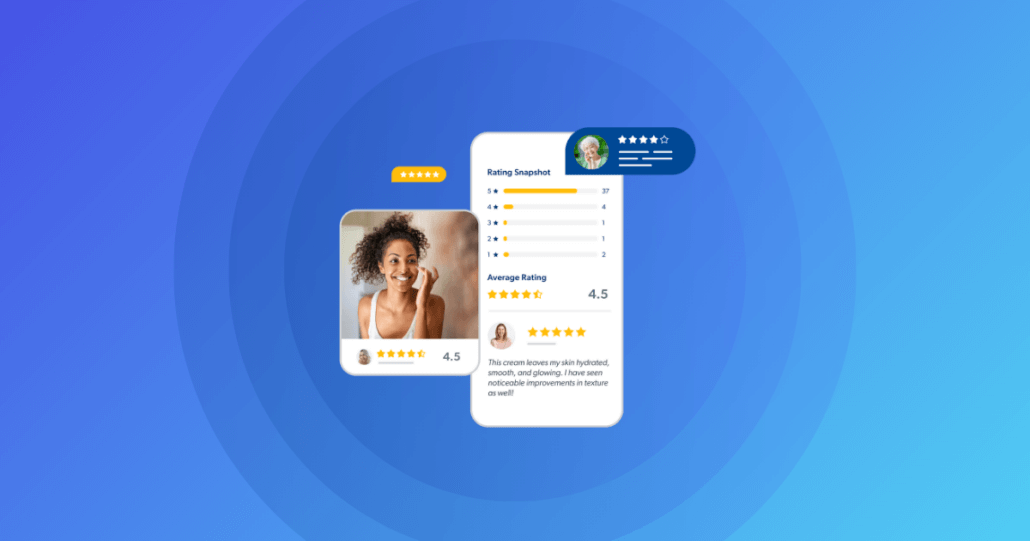
To make this work seamlessly, your social proof has to travel with the consumer. In practice, this means establishing a continuous loop where consistent star ratings, written reviews, customer photos, and videos appear flawlessly across your brand site, retailer product detail pages (PDPs), and social commerce touchpoints. Implementing a unified omnichannel review strategy ensures that when a shopper is routed from your site to a partner platform, they’re met with the same user-generated content and high ratings that piqued their interest in the first place.
| Next step for retail marketers: To see exactly how to set up your retail syndication for success, watch our on-demand webinar: foundations for omnichannel success on Walmart.com. |
2. Let creators translate your message for their audience
It’s natural for brand marketers to want to maintain their brand consistency across every brand touch. However, overly scripted creator content can lose the thing that makes creators valuable in the first place. Also, when you apply rigid corporate scripts to creator partnerships, the content falls flat, especially with audiences like Gen Z, who are quick to spot when content feels inauthentic.
Increasing customer engagement through social commerce starts with community-led discovery and genuine word-of-mouth marketing. We wrote a full guide on mastering this shift.
Give up the script to gain the sale
Creators are community experts. They know the exact tone, humor, and format that resonates natively with their specific audience.
- Define the guardrails, not the lines: Give creators the core product facts and claims guidance, necessary compliance requirements like clear ad disclosures, a brief list of must-avoid language, and examples of a desired outcome, such as mood boards or previous successful campaigns, to illustrate the overall vibe and quality expectations.
- The content multiplier: Authentic, unpolished creator reviews act as powerful middle-of-funnel validation. When a consumer sees a real person testing a product’s limits on a TikTok video, it can weaken trust over time if they make the experience feel pushy or irrelevant.
3. Replace high-pressure tactics with personalization
When e-commerce metrics dip, the knee-jerk reaction is to turn up the pressure. Marketers often deploy louder pop-ups, countdown timers, and aggressive cart-abandonment sequences. While these immediate nudges drive short-term actions, the real opportunity lies in sophisticated behavioral data.
By shifting toward deeper personalization, you can create a highly tailored experience. This satisfies the shopper’s immediate needs and builds long-term customer lifetime value. Ultimately, this approach avoids the pushy or irrelevant tactics that drive audiences away.
Use this table to evaluate your current touchpoints and identify opportunities to shift toward a flexible, shopper-first experience.
| Pressure tactics (short-term focus) | Personalization tactics (long-term LTV) |
| Generic “Buy Now” countdown timers | Product recommendations based on past browsing |
| Inundating users with generic sales emails | Helpful, post-purchase care and usage guides |
| Rigid funnels that ignore consumer context | Dynamic routing to local or preferred retailers |
Instead of screaming for an immediate sale, use your behavioral data to deliver highly relevant, contextual recommendations. If a user has spent time looking at a specific product line but hasn’t bought, don’t just blast them with a generic discount coupon.
Here are a few shopper-first ideas to inspire your cross-channel strategy:
- Social commerce: Use retargeting ads featuring authentic user-generated videos and images to build immediate middle-of-funnel trust.
- Email marketing: Deliver helpful post-purchase care guides or curated style inspiration rather than aggressive, high-pressure sales pitches.
- Retailer PDPs: Syndicate high-quality reviews and customer photos to partner sites to build instant confidence at checkout.
- In-store experience: Leverage location data to direct digital browsers to nearby physical stores where they can try products in person.
Helpful next steps compound over time. They build the kind of multi-channel relationship that generates repeat purchases and genuine brand preference.
Turn friction into connected revenue
The brands winning in retail right now are the ones that make buying completely effortless by prioritizing the shopper’s preferences over their own preferred channels. They understand that a win for their retail partner is a win for their brand.
Look at Popken Fashion Group. By dismantling internal silos, they seamlessly cross-syndicated authentic customer reviews across multiple international storefronts. This led to a strong 7.98% conversion rate among customers who interacted with their unified review content.
If your middle-of-funnel conversions are stalling, you need a change in the playbook. How could a more flexible, shopper-first approach unlock hidden revenue in your current strategy?