February 20, 2026
In 2026, pure optimization and reactionary tactics are a trap. The only path to sustainable growth is building a foundation of trust that flows everywhere your shopper goes.
For the last decade, ecommerce and brand marketing was defined by performance. We optimized for the click, hacked the algorithm, and chased the lowest cost of acquisition.
But as we settle into 2026, the ground has shifted and is constantly evolving every few weeks.
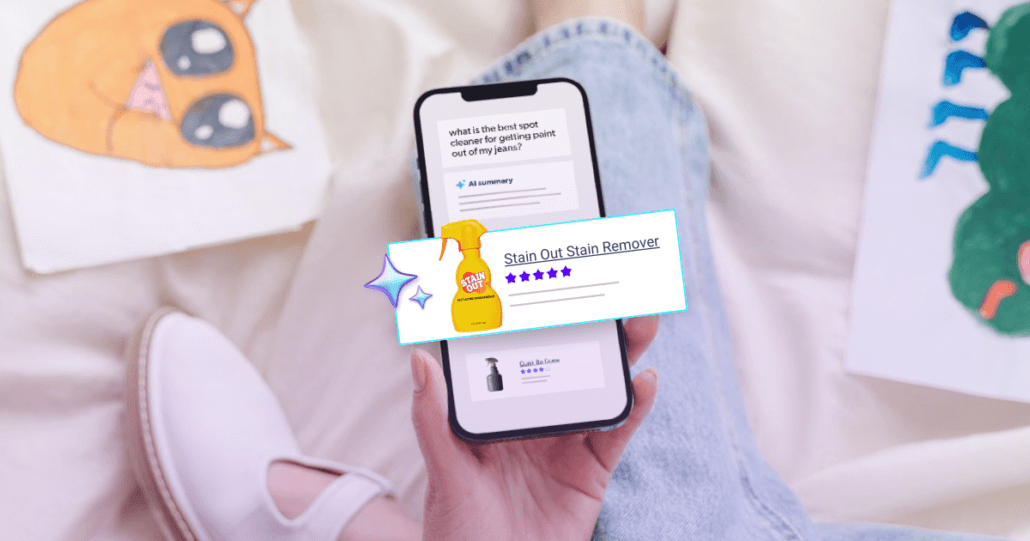
The agentic shift is no longer a prediction. New data reveals that 18% of shoppers have already fully replaced traditional search engines with AI tools. These shoppers aren’t typing keywords anymore; they are having conversations with agents. And in this new environment, the algorithm isn’t asking “Who wrote this first?” It is asking: “Who actually knows this? And who has the most trusted source?”.
This shift exposes a critical vulnerability. Brands that have optimized solely for short-term efficiency are finding themselves in what is getting termed as the AI efficiency trap, cutting costs for the now, planning only for the now and their way to long-term irrelevance.
To thrive, we must start obsessing over and building our infrastructure. We need a content supply chain model that fuels discovery, scales trust and reach, and ensures sustainable growth.
1. Fueling the engine (authenticity and volume)
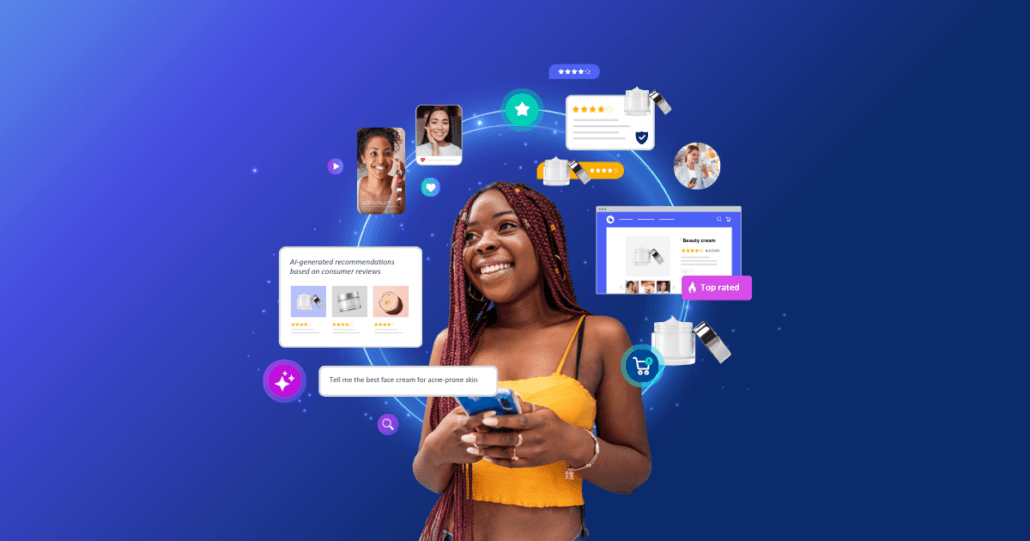
The first pillar of sustainability is fuel, specifically, the kind that (shoppers and) AI trusts: user-generated content (UGC).
This week, OpenAI officially opened the door to advertising. For many, this signals a new land grab to buy the top slot. But in a conversational economy, buying the ad is the easy part. Owning the answer is hard. Because the AI acts as a confidence engine to get shoppers unstuck.
But to do that, the AI needs ground truth, consensus from real humans that validates your claims. If your brand lacks this fuel, if you don’t have a steady stream of fresh, authentic ratings and reviews, the AI could fill in gaps with a hallucination risk, not trusted recommendations.
The sustainable move: Don’t just buy the impression. Build your supply chain of reviews, photos, and Q&A that gives the AI the confidence to recommend you, even when you aren’t paying for an ad.
2. The network advantage (consistency over fragmentation)
When it comes to reach, but not in the traditional sense, it is about visibility on the digital shelf.
In the old world, market dominance guaranteed visibility. In the AI world, that guarantee is gone.
“Top-tier brands can have 0% visibility on queries where competitors are winning. This is the time to act like you’re #3. Do not let current dominance lead to complacency”.
Kirthiga Reddy, CEO, OptimizeGEO.ai
Why? Because AI agents connect the dots across the entire network. If your brand story is inconsistent, and your social proof lives in a silo, you lose the trust signal and confidence, and the AI routes the shopper to a challenger brand that has optimized its data and infrastructure.
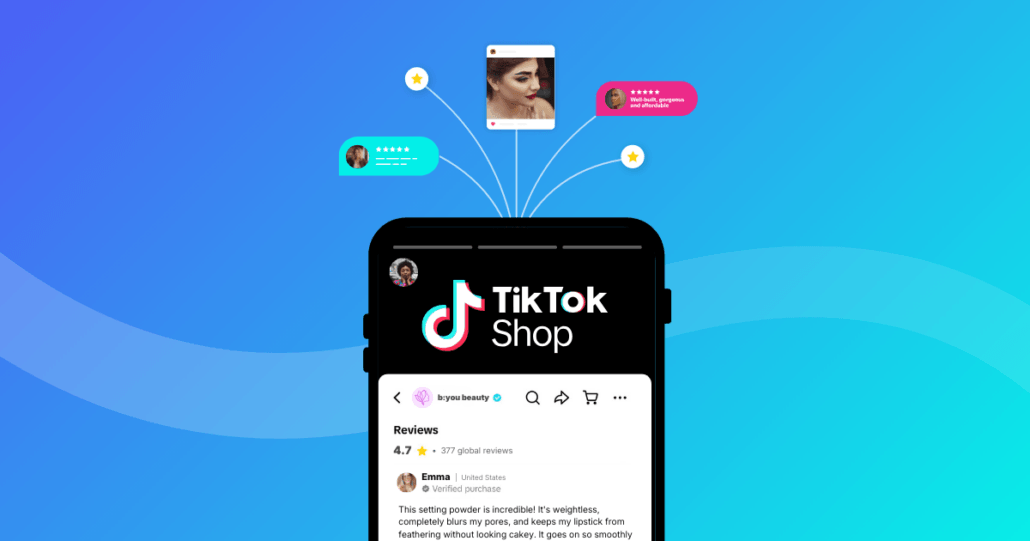
Sustainability means powering anetwork advantage. Ensure your best assets, your customer advocates, are the liquid gold that helps fuel that confidence across the network, be it shopper or AI. They must flow seamlessly from your retail partners, social feeds, sampling programs to your product page and to the search results.
The sustainable move: Stop building content for channels. Start building a unified data foundation that populates every channel consistently with your customer’s voice. This is how you protect your equity, build confidence and ensure you are chosen consistently.
3. Future-proofing the business (resilience over hype)
We are witnessing a return to patient brand building, but we are doing it in an AI-accelerated time warp.
The brands that will win in 2026 and beyond aren’t the ones chasing every new AI feature. They are the ones treating Generative Engine Optimization (GEO) not as a marketing tactic, but as a business-wide imperative. They will build a data asset that meets the Triple-A standard:
- Accessible: Is your content structured so AI agents can read it?
- Authentic: Is it verified by real humans so AI agents (and shoppers) can trust it?
- Abundant: Is there enough volume and depth to answer niche, long-tail queries?
The sustainable move: Stop treating content as a disposable campaign expense. Treat it as your infrastructure. By aligning with the Triple-A standard, you turn your customer data into a competitive moat that no competitor can buy and no AI can ignore. Invest in solutions that don’t just cut costs but actively future-proof your business.
You cannot hack your way to being trusted, cannot buy your way to being the answer.
You have to build it, one authentic voice, one verified review, and one consistent connection at a time. Or at scale with Bazaarvoice.
Get the full roadmap to win the AI product discovery race ⬇️